Zaopatrz swoje studio
Poznaj wyselekcjonowane przez Rose Younai żele do paznokci, pudry artystyczne, narzędzia i niezbędne akcesoria do salonu - dostępne w sprzedaży detalicznej i hurtowej.

Heat spikes aren’t “you being sensitive.” They’re chemistry plus bad lamp-product pairing, and the industry quietly profits from both. Here’s what’s really happening under that LED dome—and how to fix burning, peeling, and week-one failures.
But let’s start where people actually start: hand in lamp, gel still shiny, and then—zap—your nail bed feels like it just touched a hot pan, and you yank out reflexively because pain doesn’t wait for your “full cure.” It’s not drama; it’s chemistry meeting bad equipment, and when salons (or DIY kits) stack thick product, crank the timer, and chase speed like it’s a sport, you end up with a gel manicure heat spike that’s predictable, repeatable, and—frankly—avoidable if anyone would stop pretending wattage stickers are science. It hurts. Usually.
So why is this still treated like “normal”?
Here’s the ugly truth: the industry sells “fast cure” the way diet culture sells “quick results”—and the bill gets paid by your nail plate. And if your manicure peeled after a week, don’t shrug that off either; heat spikes and week-one lifting can be cousins (movement + incomplete cure + rushed prep = lift city).
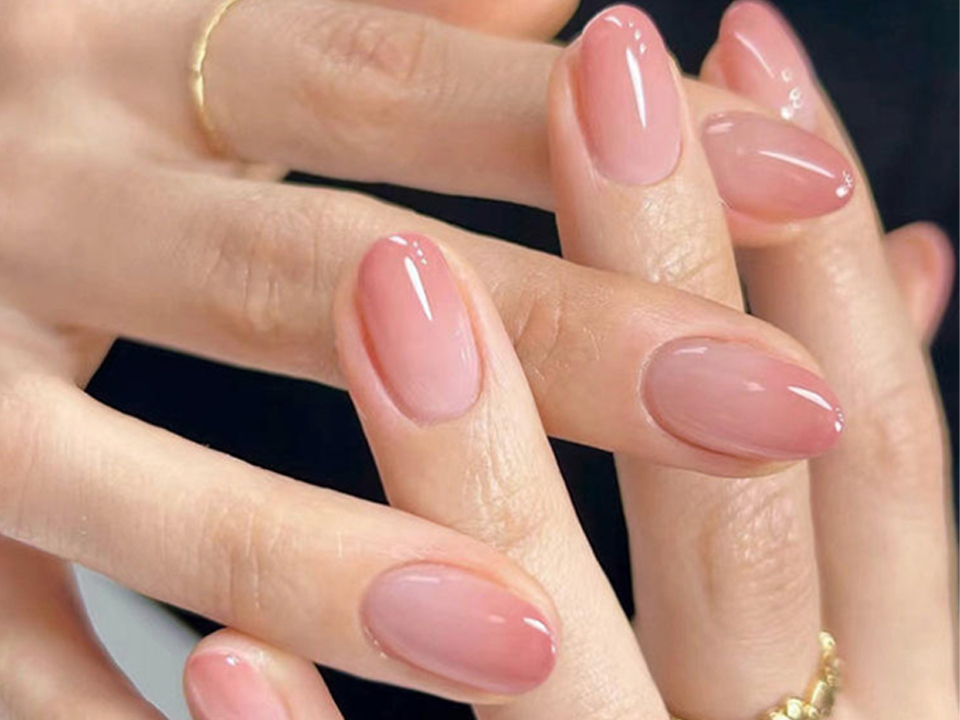
Yet people keep calling it “drying.” No. Gel doesn’t “dry.” It polymerizes—monomers/oligomers crosslink into a solid network when your lamp hits the right photoinitiators, and that reaction throws off heat because exothermic reactions do that, regardless of how cute the bottle looks or how many influencers call it “gentle.”
Three factors make the burn worse, and none of them are mysterious:
And yeah, the UV side of this isn’t just vibes and fearmongering. In controlled research, UV nail dryers have been linked to DNA damage and mutation signatures in mammalian cells—if you want the receipts, they’re right there in Nature Communications (2023) study on UV nail dryers and mutations. That doesn’t mean your hands will instantly fall off. It does mean these lamps aren’t toys.
However, the part salons and Amazon listings rarely say out loud is the simplest: gels are formulated against specific lamp outputs, and then everyone pretends any random dome is “universal,” which is like saying any gas works in any engine as long as the nozzle fits (it doesn’t). Lamp mismatch.
A “72W” label? A marketing sticker. What matters is wavelength distribution, diode layout, and irradiance at the nail surface (mW/cm²)—plus whether the lamp ramps instead of slamming full intensity at second one.
I frankly believe consumers get scammed here more than anywhere else in nails, because “power” gets oversold while the real specs (365 nm vs 405 nm peaks, actual output consistency, hot-spot layout) get buried or omitted. If you want a buyer’s guide that doesn’t worship wattage, use LED nail lamp wattage vs wavelength: what actually matters. It’s not sexy. It’s the point.
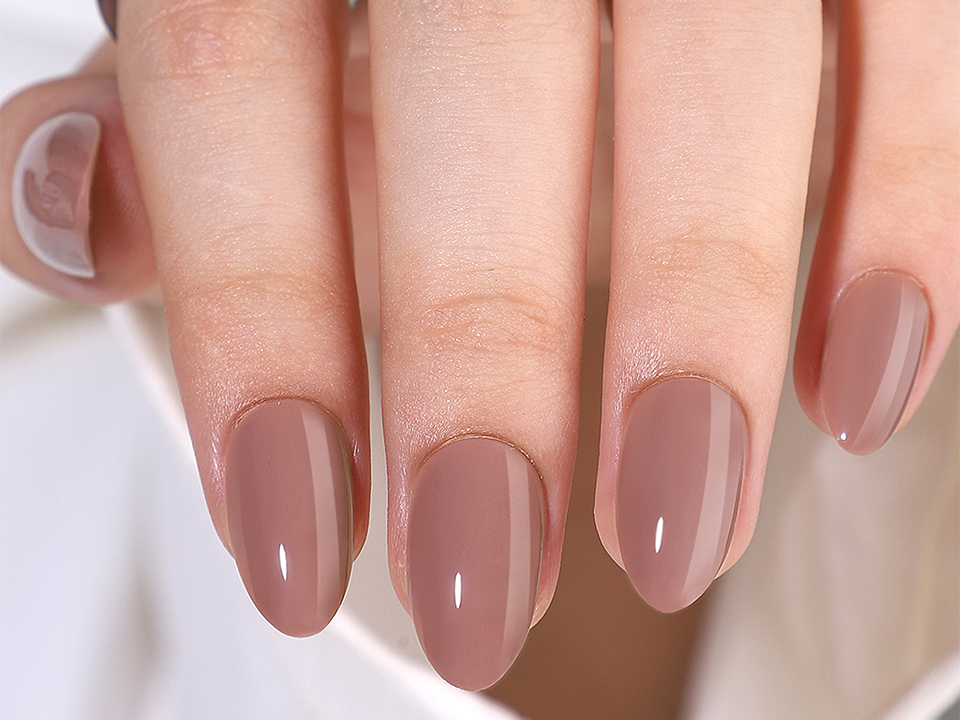
So you do an overlay, you build an apex, everything looks smooth, and then the cure feels like someone lit a match under the nail.
Builder gels are thicker and often clearer. Light penetrates deeper. Cure happens through more volume. More volume means more total heat released—and if you cure a chunky apex like it’s a thin color layer, you basically engineered a burn (plus you’re tempting shrinkage stress at the same time, which can tug on the nail plate).
And salons do this constantly because time is money and nobody wants to add steps. But builder isn’t color. Treat it like structure. If you’re using overlays/extensions, read Builder gel curing guide: viscosity, layers, and safe ramping before you decide your “skin is just sensitive.”
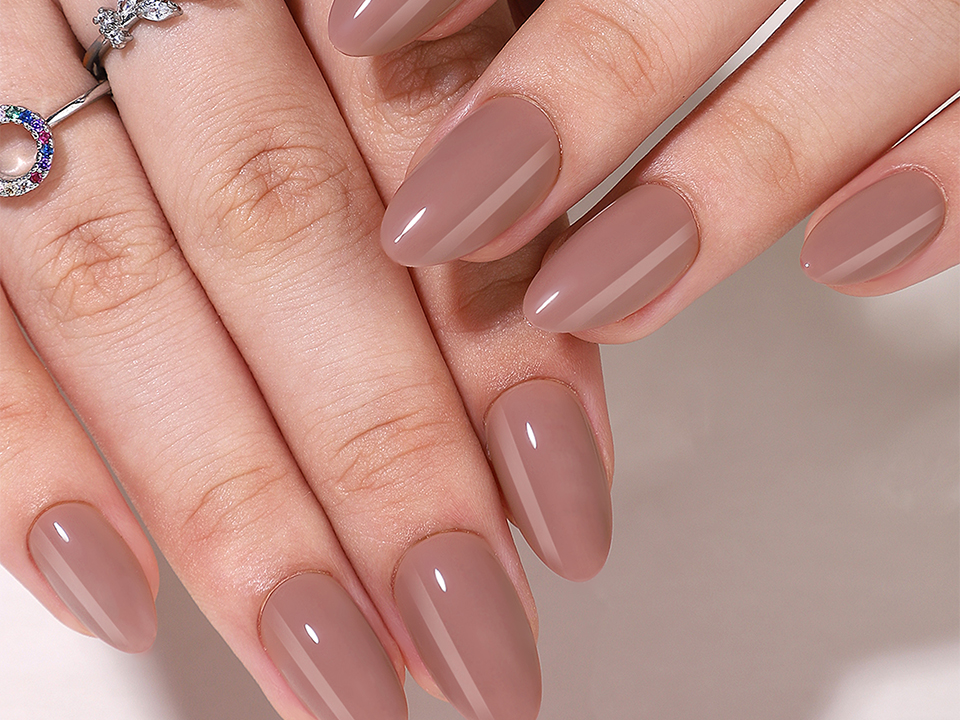
And I’m going to say it bluntly: week-one peel is a process failure.
You don’t get “random peeling.” You get:
If you want the non-cute checklist, it’s here: Gel manicure prep checklist for week-3 wear. Prep is the boring part everyone skips, then they act shocked when the manicure taps out at day 7.
Also—this is where people get mad at me—under-cured gel isn’t just “less durable.” It can push sensitization risk. If you’ve got itching, redness, or weird fingertip irritation, don’t play tough. Start here: Gel polish allergy signs: HEMA, HPMA, and what to do next.
But let’s zoom out. This isn’t only a TikTok problem.
In Singapore, CNA reported that the Consumers Association of Singapore (CASE) logged 89 complaints about nail salons in 2024 so far, with 114 in 2023 oraz 127 in 2022—not a single anecdote, but a pattern: CNA (Sep 17, 2024) on nail salon pressure tactics and complaint counts
And the exposure side is on the record too. A 2024 CDC/NIOSH publication digs into chemical exposures and mitigation in nail salons (ventilation, handling, the stuff that’s unglamorous but real): CDC/NIOSH (2024) evaluation of nail salon chemical exposures
Then there’s enforcement language. Singapore’s MOM/HSA/NEA July 30, 2024 joint circular calls out compliance and ingredient limits (example: toluene max 25%) plus penalties, including fines and potential imprisonment, for unwholesome or un-notified cosmetic products: MOM/HSA/NEA joint circular (Jul 30, 2024) on chemicals in nail salons
So yeah—this industry has guardrails. People just don’t like reading them.
Yet the fixes are… almost boring. That’s why people ignore them.
If you want a proper root-cause approach for lifting, use Why gel manicures peel after a week: root causes and fixes. It’s not “one weird trick.” It’s a chain.
| What you feel | Most likely cause | Typical trigger | Fastest fix |
|---|---|---|---|
| Sudden sharp burn in first 5–10 seconds | Cure rate too fast (high irradiance + reactive gel) | Strong lamp, no ramp mode | Low-heat/ramp mode or flash-cure |
| Heat builds slowly, then spikes | Too much product mass | Thick builder gel/apex | Apply thinner layers; cure in stages |
| Only certain nails burn | Uneven lamp diode “hot spots” or nail thickness differences | Cheap lamp layout; thumbs closer to diodes | Cure thumbs separately; reposition hand |
| Burns + later itching/redness | Possible under-cure + sensitization risk | Weak lamp, wrong cure time | Stop exposure; reassess lamp/product; consider medical advice |
| No burning, but peels in 7 days | Adhesion/prep failure or under-cure | Cuticle residue, oils, water | Prep reset + verify cure time/wavelength |
What is a gel manicure heat spike? A gel manicure heat spike is a sudden surge of heat or burning during curing, caused by the exothermic polymerization of methacrylate-based gel when intense UVA/near-UV light triggers rapid crosslinking—especially in thick, clear, or high-initiator layers inside high-irradiance LED lamps. After that, it’s just physics: more reactive cure + more mass + more energy = more heat at the nail bed.
Why does gel polish burn under UV light? Gel polish burns under UV light because the lamp’s UVA/405-nm output activates photoinitiators (often phosphine-oxide or benzoin-derivatives) that kick off a fast chain reaction; when that reaction runs too quickly or too deep through a thick coat, the released heat concentrates at the nail bed. Translation: the gel is curing “too hard, too fast.”
How to prevent heat spikes during gel manicure curing? To prevent heat spikes during gel manicure curing, you need to slow the cure rate: apply thinner layers, use a lamp with a true low-heat/ramp mode, flash-cure 5–10 seconds then finish, and avoid overpowered ‘72W+’ settings that dump irradiance into builder gel all at once. If it still burns, your lamp–gel pairing is probably wrong.
What’s the best LED lamp for gel nails sensitive to heat? The best LED lamp for gel nails sensitive to heat is one that delivers consistent wavelengths (typically 365/405 nm) but ramps irradiance over the first 10–30 seconds and isn’t falsely advertised; in practice, ‘low heat mode’ plus a reflective, evenly spaced diode layout matters more than headline wattage. Look for reputable brands that publish cure guidance per product system.
Why is builder gel heat spike worse than regular gel polish? Builder gel heat spikes happen more often because builder gels are thicker, clearer, and designed for bulk structure; that means light penetrates deeper, polymerization happens through a larger mass, and the total exothermic heat output rises—so the same lamp that feels fine over color gel can sting hard on an apex layer. Cure builder in stages, not in one hit.
Why is my gel manicure peeling after a week? Gel manicure peeling after a week is usually adhesion failure caused by residual cuticle/oils, water swelling, or under-curing, not ‘bad nails’; if the base layer is partially cured or the plate wasn’t properly etched and dehydrated, daily handwashing and flex stress will lift the product at the free edge within days. Fix prep, verify cure, and stop trusting random lamp claims.
If you want a gel manicure that doesn’t burn oraz doesn’t peel by day seven, stop treating the lamp as an accessory and start treating it like lab equipment. Pick one system, cure in controlled stages, and audit your prep. And if you want, paste your lamp model + gel brand + cure times you’re using—I’ll tell you where the mismatch is hiding.