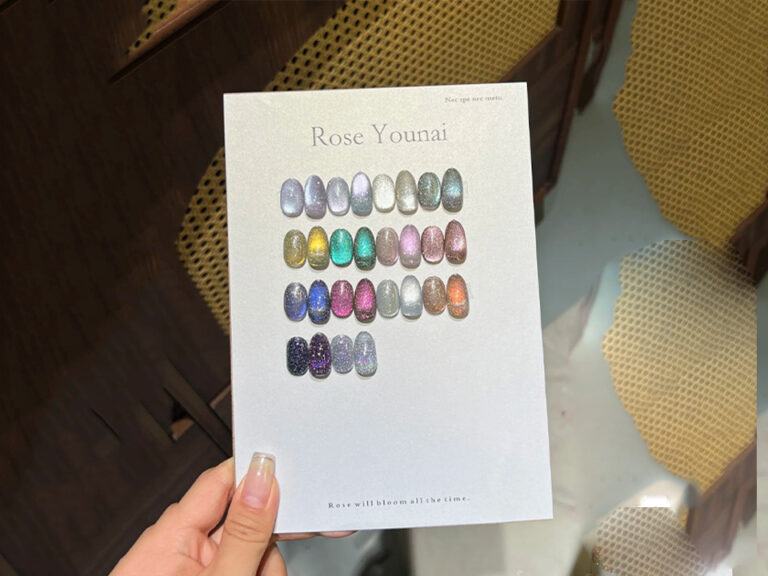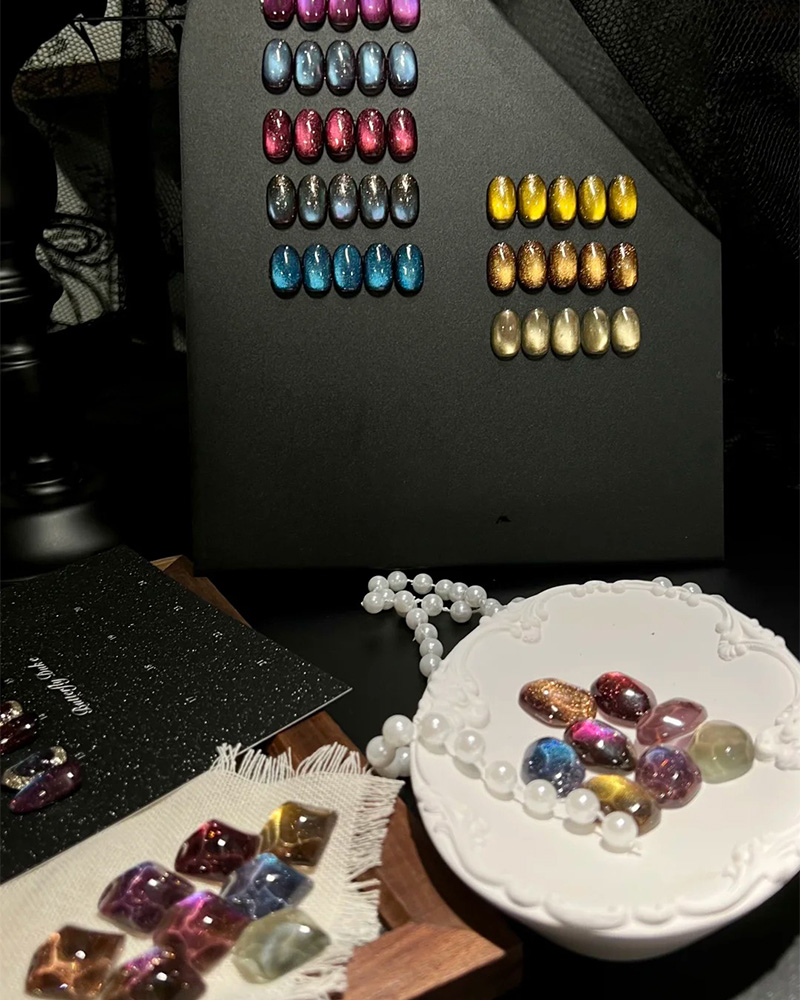
Stock Up for Your Studio
Explore Rose Younai’s curated nail gels, art powders, tools, and salon essentials — available for retail and wholesale orders.

Gel polish does not heal effectively when the lamp wavelength, outcome, gel chemistry, layer density, or remedy protocol do not match. This guide breaks down the chemistry, beauty salon myths, and sensible solutions behind sticky, soft, old and wrinkly, or under cured gel gloss.
That glossy surface area can look finished while the lower layer is still chemically soft, inflamed with unreacted acrylates, and quietly waiting to come to be tomorrow’s training issue, allergy flare, or “your product is bad” email. So when I hear someone say, “My gel gloss not curing indicates the lamp is weak,” I typically pause.
Perhaps. Maybe not.
The more truthful response is uglier: gel polish is not one thing. A UV light is not one thing. An LED lamp is most definitely not one thing. And the market has educated customers to assume “60 seconds” is a regulation of physics rather than a brand-specific healing guideline based upon photoinitiators, wavelength, film density, pigment load, and lamp design.
A 2023 Scientific Information study explained nail lights emitting in the 365– 405 nm range and kept in mind that correct curing depends on matching irradiation period and lamp power to the maker’s solution, not simply waving any container under any type of glowing dome. The exact same paper reported that a 4-minute exposure produced no statistically considerable decrease in HaCaT keratinocyte stability, while 20 minutes decreased viability by 35%, a beneficial reminder that “even more treatment time” is not a professional strategy; it is typically simply panic with a timer.
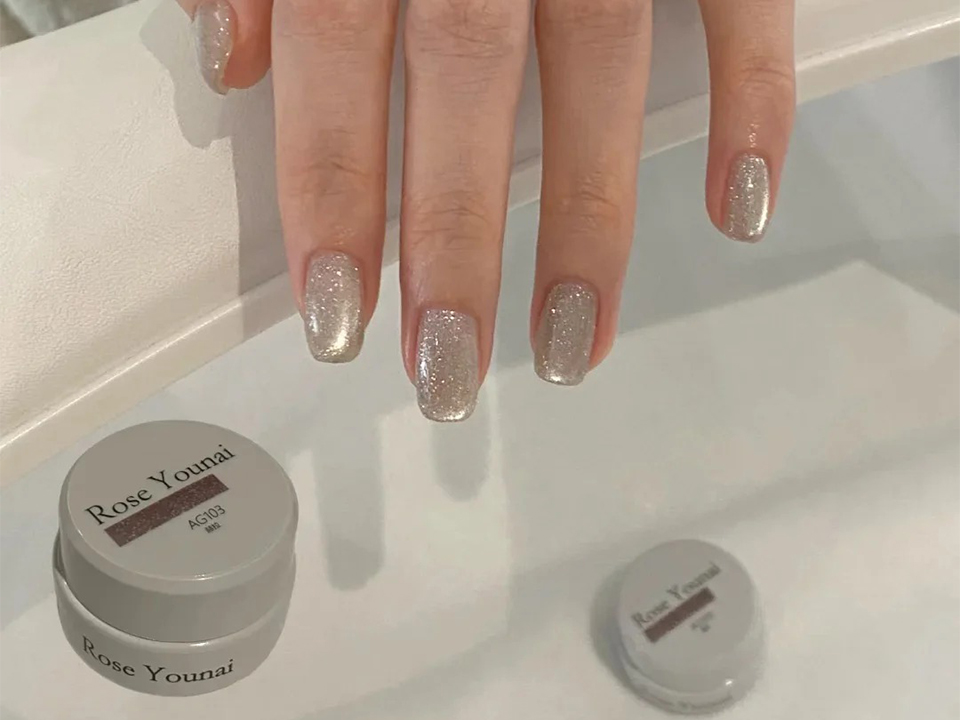
Gel polish cures through photopolymerization: photoinitiators absorb light, generate responsive types, and press acrylate or methacrylate monomers right into a hardened polymer network. That seems neat. It is not neat.
If the photoinitiator in the gel wants one wavelength and the light mainly produces another, the response limps. If the layer is as well thick, the top swipes the light and the lower remains soft. If the pigment is thick, black, white, neon, magnetic, or glitter-heavy, light penetration declines. If the lamp bulbs are tired, terribly positioned, low-output, or fake-rated, the item may just half-cure.
Here is the hard truth I desire more brand names claimed aloud: gel nail lamp compatibility matters greater than wattage claims.
A “48W” light published on a marketplace listing can mean almost nothing. Wattage is power consumption, not curing efficiency at the nail surface area. What issues is spooky result, irradiance, LED positioning, reflective interior design, hand positioning, timer precision, and whether the gel’s photoinitiator package reacts to that lamp.
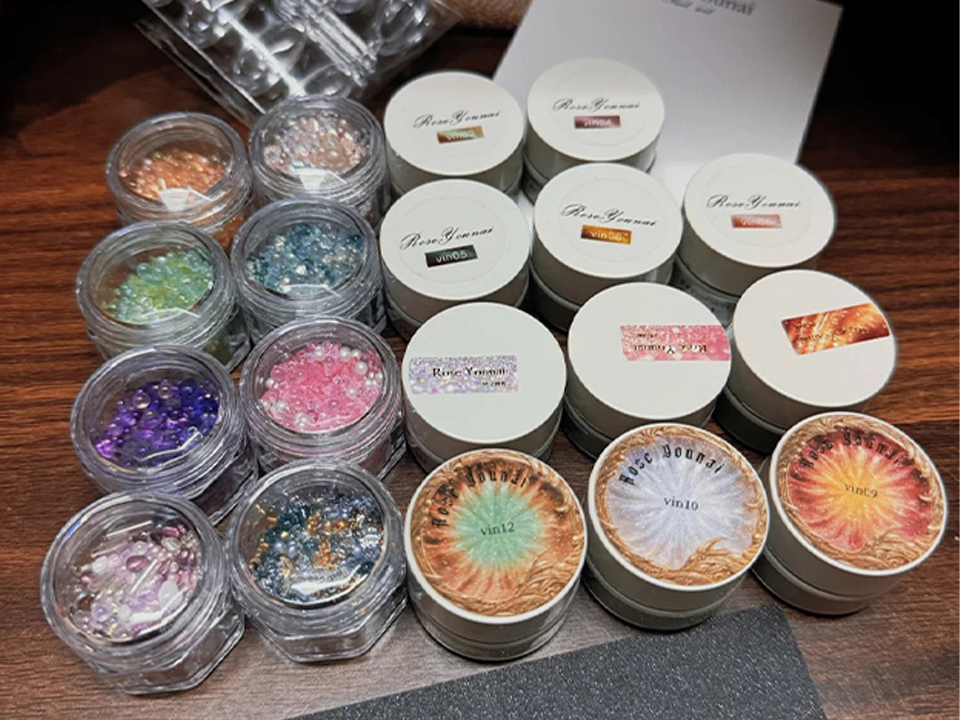
Traditional UV fluorescent lights typically gave off a broader UVA range. Numerous modern LED lamps release narrower tops, frequently around 365 nm, 385 nm, 395 nm, or 405 nm depending upon the chip style. That is why a gel polish not treating under LED lamp can still treat under a traditional UV light, and the opposite can also occur.
Annoying, right?
The label “UV/LED compatible” ought to suggest the gel consists of a photoinitiator system receptive across common beauty salon lamp outputs. However in the actual market, specifically with private-label products, imported kits, and no-name lamps, compatibility is commonly assumed rather than evaluated. The FDA’s nail item assistance likewise reminds consumers that nail items offered in the USA are generally controlled as cosmetics, do not need FDA premarket authorization except for a lot of shade ingredients, and have to be secure when made use of as routed. Translation: the problem of proper usage, genuine labeling, and product-lamp matching is scattered across brands, salons, and users.
This is where experts separate themselves from enthusiasts. We do not simply ask, “How many watts?” We ask, “What wavelength, what range, what gel chemistry, what layer density, and what treatment routine?”
A sticky layer after curing can be normal, but a soft, gummy, old and wrinkly, or smearing layer is not regular.
Many soak-off gels leave an oxygen restraint layer since oxygen hinders polymerization at the surface area. That tacky movie assists the next layer bond. It ought to feel thin and even, not wet, greasy, or movable. If you can dent the shade layer with an orangewood stick after the recommended remedy time, you are not taking a look at “typical tack.” You are looking at under treated gel gloss.
I have seen this usually with high-pigment shades: black, milklike white, wine red, deep cat-eye gels, dense radiance gels, and greatly packed glimmer solutions. That does not make them bad items. It indicates they require self-displined application.
For rich magnetic colors, a shade household like wine red magnetic feline eye gel gloss ought to be used slim sufficient for light to penetrate before the magnetic effect is secured. For dense sparkle systems, make use of regulated layers with products such as mini glitter glimmer nail gel rather than attempting to construct opacity in one inflamed layer.
One thick coat is lazy. Two thin coats are chemistry.
Under treating is not just regarding cracking. It is about exposure.
Unreacted acrylates and methacrylates are more likely to move, touch skin, and cause sensitization. A 2024 Amsterdam UMC research of acrylate-containing nail cosmetics located 67 females identified with sensitive call dermatitis from nail cosmetics between 2015 and 2023; 97% had a favorable spot examination to HEMA, 73% were customers, and 27% were specialist nail stylists.
That data tracks with what several nail professionals already know but hardly ever claim noisally: home gel sets and random lamps have educated individuals to treat reactive chemistry like normal air-dry gloss. It is not.
An additional 2024 evaluation on acrylates reported that acrylate allergies can show up as facial breakouts, fractured fingertips, nail dystrophy, and periungual dermatitis, with the beauty field currently a major source of exposure. If a customer creates eyelid dermatitis after gel nails, do not act surprised. People touch their face. Irritants travel.
This is the uninteresting failure factor. Uninteresting failings make costly complaints.
Thumbs rest outside the best light area in several lamps. Sidewalls cure improperly when the fingers tilt. Long improvements develop darkness. Reflective bases obtain scratched. Clients draw their hands out early since the warmth spike really feels terrifying. Some lamps start counting before the hand is totally within.
And indeed, inexpensive lamps often have dead areas.
If gel gloss not curing under UV light takes place only on thumbs, sidewalls, or the totally free edge, suspicious placement before blaming the product. I like treating thumbs separately, particularly with home builder overlays, cat-eye gels, jelly layers, and glitter-heavy layouts. It takes even more time. It prevents rework.
For structure layers, particularly where density differs throughout the apex, utilize a product made for strength and treatment technique, such as 3-free home builder gel for nude shimmer nails, and maintain the grain controlled. Contractor gel is not wall surface plaster.
Pigment blocks light. Radiance mirrors it. Magnetic fragments spread it. Milky gels diffuse it.
That is the entire detraction.
A sheer nude can heal perfectly in a slim layer due to the fact that light travel through the film. A black-red cat-eye, chrome-loaded shimmer, or crushed ruby shine shade may need thinner layers, longer cure home windows, or a verified lamp. If the top cures initially and traps softer material beneath, you may see wrinkling, bubbling, lifting, or a rubbery facility.
For clear job, dewy glow sheer nude nail gel provides you extra mercy due to the fact that the movie lets even more light through. For reflective surfaces, smashed ruby radiance soft matte nail tones ought to be treated like a light-management workout, not a race.
The prettier the gel, the more questionable I come to be.
First, quit including even more leading layer. That is aesthetic rejection.
Get rid of the uncured item safely, tidy the nail, and reconstruct the solution with thinner layers. Confirm that the lamp matches the gel system. Cure thumbs separately. Avoid flooding cuticles. Replace old light bulbs if using fluorescent UV. For LED lights, evaluate dead chips, weak result, negative sensing units, and hand-position errors.
If a gel stays soft after right application, right timing, and a known-compatible lamp, quarantine it. Do not sell positive outlook to clients. Examine the container against another light from the exact same advisable system. If it still fails, the concern may be formula destruction, contamination, ran out supply, warmth exposure throughout shipping, or a poor set.
The industry hates that expression: negative batch. But batches exist. Chemistry ages. Warehouses get hot.
| Symptom | Most Likely Cause | What To Check Initial | Expert Repair |
|---|---|---|---|
| Sticky surface area only, no denigration | Regular oxygen restraint layer | Item guidelines | Wipe just if it is the final no-wipe layer or as directed |
| Gel wrinkles after healing | Layer too thick or pigment obstructs light | Layer density, dark shade, light result | Remove and reapply in thin coats |
| Thumb stays soft | Poor lamp positioning | Thumb angle and darkness areas | Heal thumbs independently |
| Free side chips rapidly | Under healed edge or bad cap | Hand positioning, capping, preparation | Heal with nails level and cap very finely |
| Gel cures under UV however not LED | Wavelength inequality | Photoinitiator compatibility | Use brand-recommended UV/LED light |
| Warmth spike and soft center | Item mass as well thick | Builder grain dimension or peak density | Flash treatment carefully, then complete remedy |
| Matte or over cast top after cure | Incorrect leading layer remedy or contamination | Light, cleanser, deposit | Re-cure if safe, otherwise get rid of and redo |
| Allergic-type inflammation near nails | Skin contact with uncured item | Flooding, cleaning routines, under remedy | Stop service, eliminate item, encourage medical care |
I have no persistence for wattage prayer.
A 120W light with improperly put LEDs can underperform a professional 36W light with validated spectral result and also protection. Toenail online forums love wattage because it is simple to contrast. Chemists respect absorbed light dose. Those are not the very same thing.
A valuable lamp spec ought to inform you wavelength array, irradiance, timer setups, sensing unit habits, inner geometry, and brand compatibility. Many listings give you none of that. They provide you a large number, a glossy shell, and an assurance.
That is why salon systems exist. Not due to the fact that every top quality lamp is magic, yet since responsible gel brand names test their formulas under specific curing conditions. When you mix one brand name’s base, one more brand’s shade, a market leading layer, and an unidentified lamp, you end up being the laboratory. The client comes to be the field examination.
Some gels are just much easier to treat because they are sheer, reduced pigment, or designed for flexible thin-film job. Others require stricter technique.
For adhesion-heavy solutions, functional nail art gel for solid hold makes good sense when the trouble is positioning or accessory hold, yet it still requires tidy application and appropriate treating. For jelly impacts, star opalescent jelly nail gel polish must be built thinly so the light can reach via each layer. For cat-eye work, silk collection milky glass feline eye gel demands magnet timing and cure timing dealt with as separate steps.
Do not confuse viscosity with cure depth. A gel can really feel thick and still heal well if applied properly. A thin gel can still fall short if it consists of incompatible photoinitiators or is hidden under pigment.
The hair salon faster way is to heal, touch, shrug, and proceed. I do not trust fund that.
A far better examination is devastating. Use the gel at the same thickness you make use of on customers onto a nail suggestion or form. Cure according to instructions. Cut or scratch the layer. Try to find a consistent hardened cross-section, not just a glossy skin. Examination dark tones, whites, glitter, magnetic gels, contractor layers, and leading layers individually.
No, this is not glamorous. Neither is reimbursing a complete set.
For brand-new products, I would rather lose 5 test suggestions than discover compatibility failure on a paying client with wedding celebration nails. The best experts I know test silently. The loudest ones condemn loudly.
Gel gloss not healing under a UV light normally suggests the gel formula, lamp wavelength, light bulb toughness, cure time, or layer thickness is avoiding full photopolymerization. The surface might set while deeper product remains soft, particularly with dark pigments, radiance, builder gel, expired light bulbs, or wrong lamp positioning.
Check whether the lamp makes use of fluorescent bulbs that have actually matured. UV light bulbs degrade prior to they fully pass away, so a light can still glow while healing terribly. Additionally check whether the gel is really UV-compatible, not simply LED-compatible. If the gloss creases, dents, or smears after curing, remove it and reapply in thinner coats.
Gel polish not healing under an LED lamp normally indicates the LED wavelength does not turn on the gel’s photoinitiator system highly enough, or the lamp outcome is unequal at the nail surface. Many LED lamps release slim wavelength optimals, so a gel can stop working also when the lamp shows up brilliant.
This prevails with arbitrary lamp-and-gel blending. A gel that remedies under a broader UV light may fail under a narrow LED light if its photoinitiator plan requires a various spectral range. Make use of a brand-recommended lamp, treatment thumbs independently, and avoid thick layers with dense pigments.
Sticky gel gloss is not constantly under cured due to the fact that numerous gel systems leave a regular oxygen restraint layer after treating. A typical inhibition layer feels gaudy but stable, while under cured gel feels damp, gummy, dentable, wrinkled, or movable after the advised cure time.
The test is simple: if the color coat shifts, strings, or dents underneath the surface, it is not simply tack. It is under treated gel gloss. Do not seal it with top coat. Remove it, reassess layer thickness and light compatibility, after that remodel the layer appropriately.
Under treated gel gloss can boost allergy risk since unreacted acrylate and methacrylate monomers are more likely to continue to be mobile and contact skin. Repeated exposure might animate some individuals, resulting in allergic contact dermatitis on fingers, hands, eyelids, face, or bordering skin.
This is why swamping the cuticle is not a small visual blunder. It is a chemical exposure issue. Keep gel off skin, cure completely, make use of suitable lights, and quit making use of gel products if soreness, itching, blistering, splitting, or swelling shows up.
To deal with gel polish that won’t heal, eliminate the uncured item totally, clean the nail, verify lamp compatibility, and reapply in thinner layers utilizing the manufacturer’s treatment time. Do not maintain treating endlessly or bury soft gel under leading layer since that can catch uncured material.
If the same item falls short under a confirmed light and correct strategy, separate the container. Test an additional color and an additional light. So one bottle stops working, suspicious item degradation, contamination, or batch disparity. If multiple items fail, think the lamp or application procedure.
UV is not instantly better than LED, and LED is not instantly much safer or stronger; the better lamp is the one that matches the gel formula’s photoinitiators and supplies adequate functional light across the whole nail. Heal top quality relies on wavelength, irradiance, direct exposure time, and positioning.
For specialist job, I like verified UV/LED dual-wavelength lamps from the same system as the gel or an evaluated light with recorded compatibility. The most awful option is a no-name light chosen just since the wattage number looks outstanding.
Gel gloss does not treat correctly under some lamps due to the fact that the nail industry markets chemistry with style language. Pretty names. Huge power level sticker labels. Fast timers. Really little description.
Yet treating is not feelings.
If you want fewer service failings, deal with every gel manicure like a regulated response: appropriate light, thin layers, compatible chemistry, tidy placement, and honest testing. Start with solutions that suit your method, whether that is sheer nude gel, building contractor gel, radiance gel, or magnetic cat-eye gel, after that match them with a healing process you can in fact safeguard.
Ready to construct collections with better control and less remedy shocks? Discover Rose Younai gel systems by finish, opacity, and solution kind, after that match your application style to the product as opposed to requiring every color with the same light regimen.