Stock Up for Your Studio
Explore Rose Younai’s curated nail gels, art powders, tools, and salon essentials — available for retail and wholesale orders.


This article explains why rheology in art gels is not lab trivia but a buying signal. We break down flow, viscosity, sag, self-leveling, and safety with a buyer’s eye.
Glitter negotiation is not a product packaging problem; it is normally a formulation and process-control failing. This guide describes how bulk gel makers can suspend shine reliably without turning the gel into pointless paste.
Gel polish does not heal effectively when the lamp wavelength, outcome, gel chemistry, layer density, or remedy protocol do not match. This guide breaks down the chemistry, beauty salon myths, and sensible solutions behind sticky, soft, old and wrinkly, or under cured gel gloss.
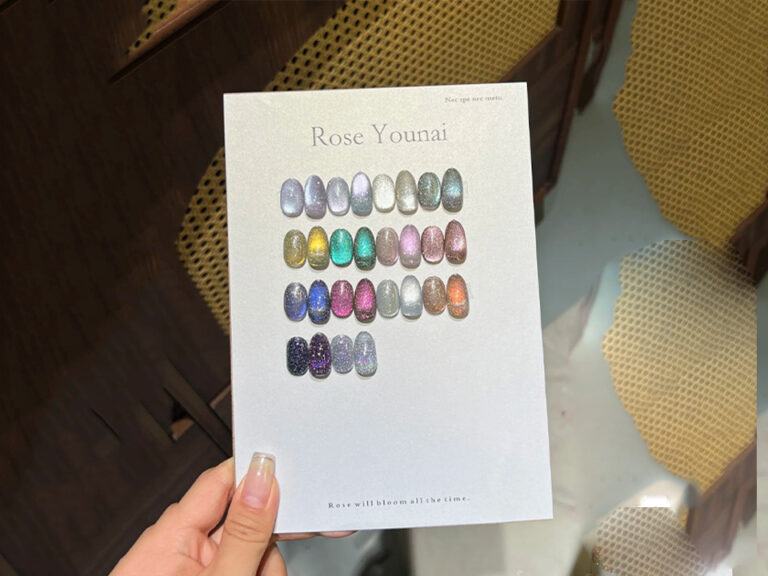
Gel polish allergens are not a niche salon drama; they are a chemistry, labeling, and curing problem hiding in plain sight. This guide explains HEMA, HPMA, Di-HEMA, methacrylate allergy, and how serious buyers should judge gel products before skin pays the invoice.
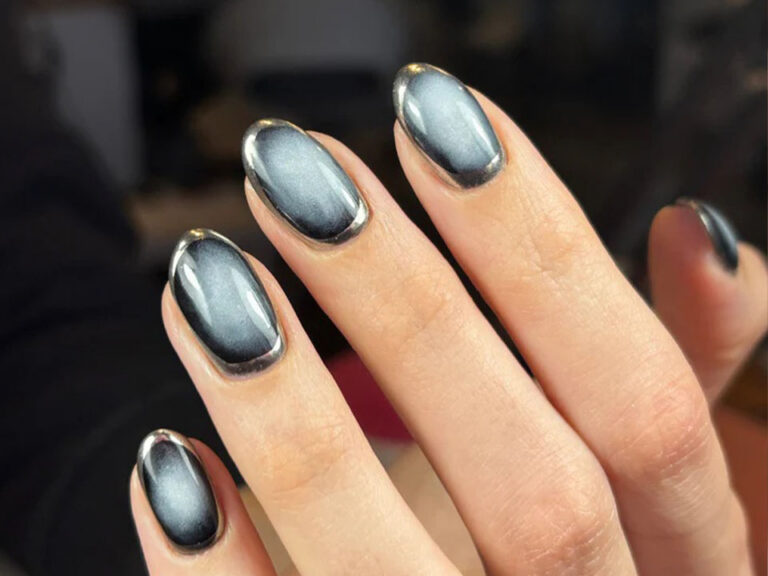
Chrome + cat eye isn’t “just stacking trends.” It’s a materials problem (particle size, tack, magnetic pull, cure chemistry) dressed up as pretty nails. This guide shows the cleanest workflows, the failure points, and the product stack that holds up.
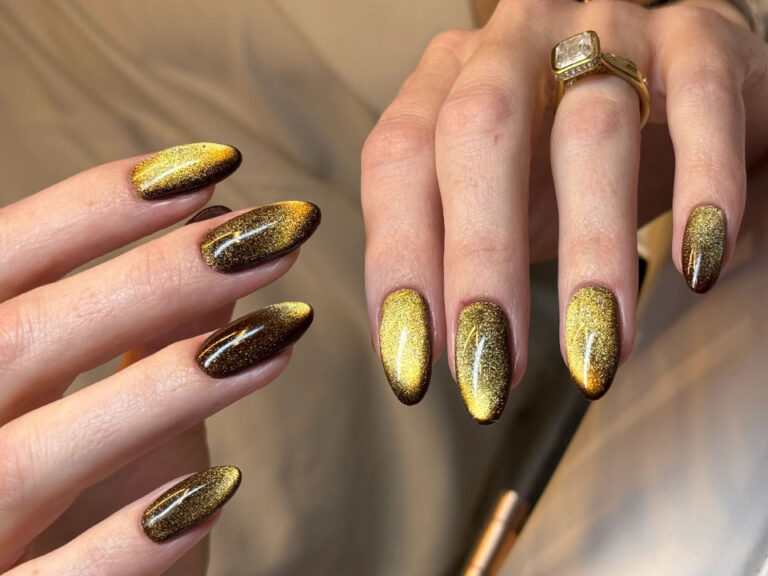
2026 cat-eye nails aren’t “a look.” They’re a supply chain: magnetic pigment, chrome powder, and tiny hidden details that sell kits. Here’s what’s actually trending—and how to pull it off without wrecking your cuticles.
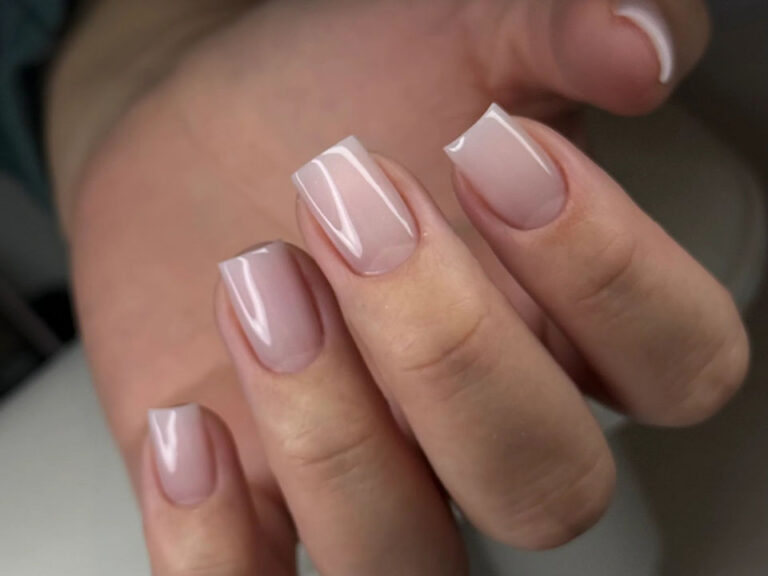
UV and LED nail lamps both cure gel, both emit UV, and both get mis-sold. Here’s the hard truth on curing speed, heat spikes, compatibility, and what “best for home” really means.
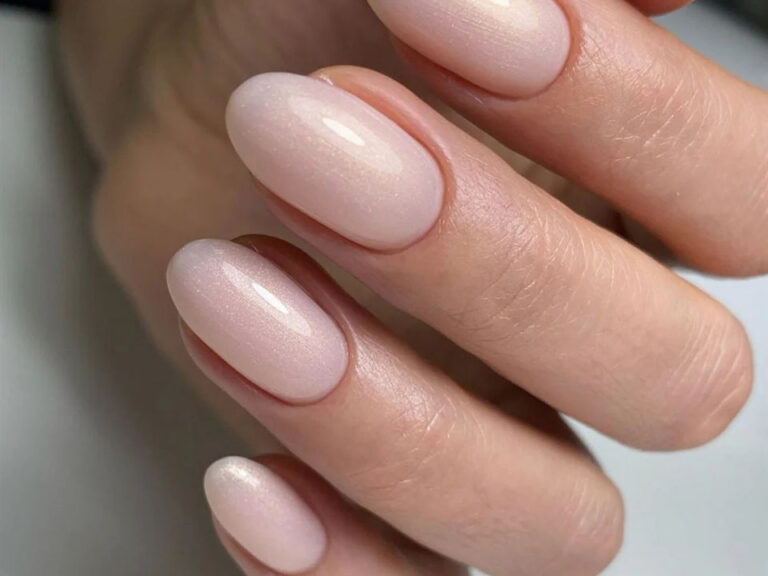
“TPO-free” and “HEMA-free” solve different problems, and brands keep pretending they’re interchangeable. I’m going to separate compliance from allergy reality, then show what it does to curing, heat spikes, and wear.
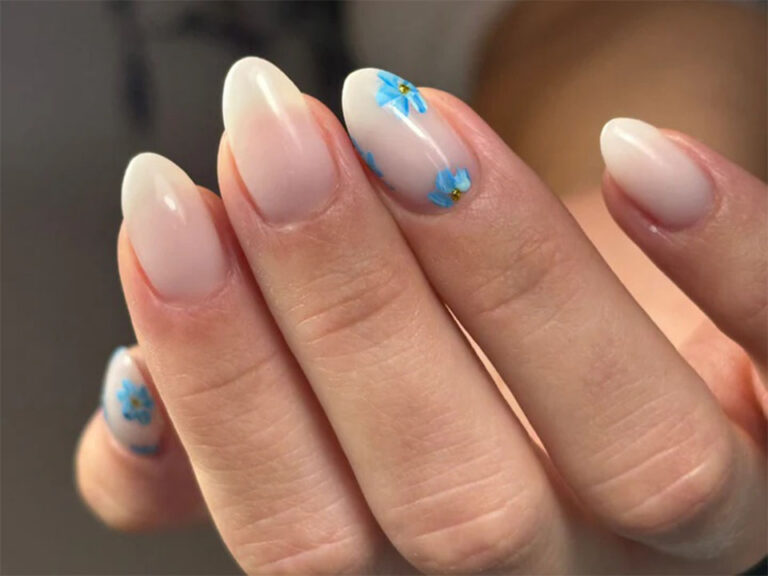
Most “poly gel vs builder gel” advice is marketing fluff. This piece strips it to chemistry, workflow, failure modes, and the hard costs salons and DIY buyers actually pay.
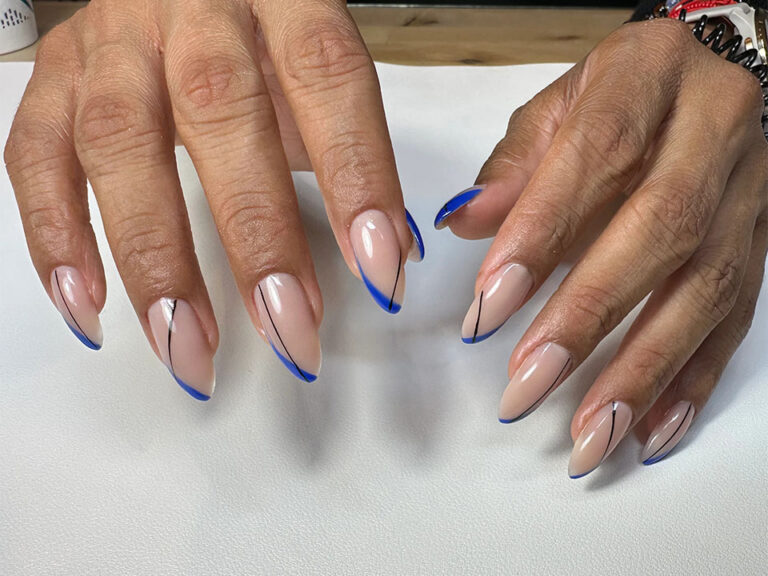
Rubber base and builder gel get lumped together online, then people wonder why their nails still peel, snap, or lift. This is the practical, nail-type-first breakdown—with safety data and the ugly industry bits nobody puts in product descriptions.
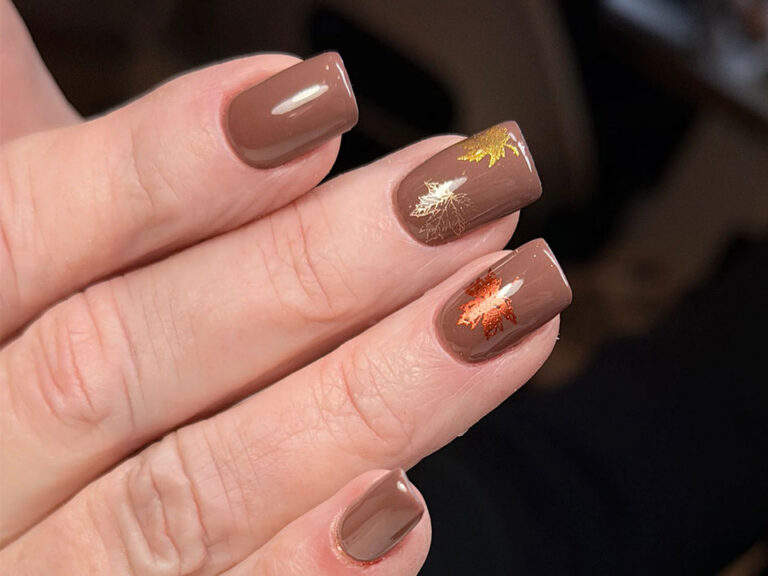
Struggling with heat spikes during gel curing? This guide uncovers flash cure techniques and low-heat methods to help you avoid burning, while recommending the best tools to keep your nails safe.
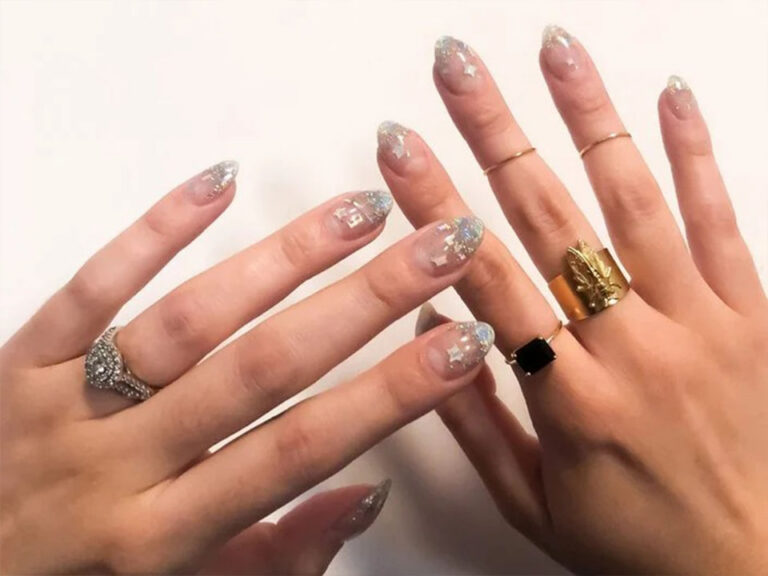
DIY gel isn’t “quick”—it’s predictable if you stop guessing. Here’s the real time math (prep, coats, curing) and the hidden variables that quietly double your session.