Stock Up for Your Studio
Explore Rose Younai’s curated nail gels, art powders, tools, and salon essentials — available for retail and wholesale orders.

UV and LED nail lamps both cure gel, both emit UV, and both get mis-sold. Here’s the hard truth on curing speed, heat spikes, compatibility, and what “best for home” really means.
I’m going to say the quiet part first: most “UV vs LED” debates are a packaging argument, not a curing argument, because the gel doesn’t care what the box says—it cares about wavelength peaks, photon density, coat thickness, and whether your photoinitiator system is actually excited by what your lamp spits out.
It works. Usually.
But “usually” is where the DIY graveyard lives: gummy undersides, wrinkling, that one finger that never cures, and the classic beginner move—cranking a “48W” lamp to max and wondering why your nail bed feels like it just touched a hot pan.
So what are you really buying?
I’ve lost count of how many people tell me, dead serious, “I switched to LED because it’s UV-free,” and I don’t even get mad anymore—I just know they got sold a story, because modern “LED lamps” are very often just UVA devices using LED diodes, and many “UV/LED” units are the same idea with a couple wavelengths mixed in so brands can claim “universal.”
Three words: marketing loves confusion.
Here’s where it gets nerdy (and useful): a 2023 paper testing a nail-drying device specifically referenced exposure in the 365–405 nm region, which is basically the modern LED curing neighborhood.
So when people ask me, “Which is better?” I don’t start with “UV or LED.” I start with “What gel system are you using, and how thick are you applying it?”
Speed is seductive. And it’s also the reason half of home sets fail.
A high-intensity LED array can dump a ton of usable UVA energy right where many gels are formulated to respond, so the timing claims get aggressive—30 seconds, 60 seconds, boom, cured—except “cured” is not a vibe, it’s a chemistry event (polymerization) that can complete on the surface while staying sketchy in depth if you’re heavy-handed or using a pigment-dense shade.
And then what happens? You wipe the inhibition layer, your nail feels hard, and you think you’re done… until lifting shows up like a week later and you blame the base coat.
You want my unpopular opinion? “Fast cure” is overrated for beginners. Control is king.
I’ve watched people switch from UV tubes to LED, get a brutal heat spike, and declare LED “too hot,” when the real culprit was that they tried to cure a thick builder blob like it was a thin color coat, under full blast, from second one, with no ramp mode and no patience.
It stings. Literally.
Heat spikes are an exotherm problem—polymer chains form, energy releases, and when the reaction runs hard and fast the heat lands in a tight window that your nail bed absolutely notices. Builder gels, strong-hold art gels, and certain magnetic/cat-eye formulas can be spicy like that because they’re meant to cure hard and lock down.
This is where product choice and technique stop being “preferences” and start being damage control. If you’re doing design work with a high-structure gel, a thin-layer approach plus staged curing is typically more comfortable than blasting a full sculpt in one go. A product like strong-hold functional nail art gel is exactly the kind of formula where lamp behavior + application thickness decides whether the set feels clean or punishing.
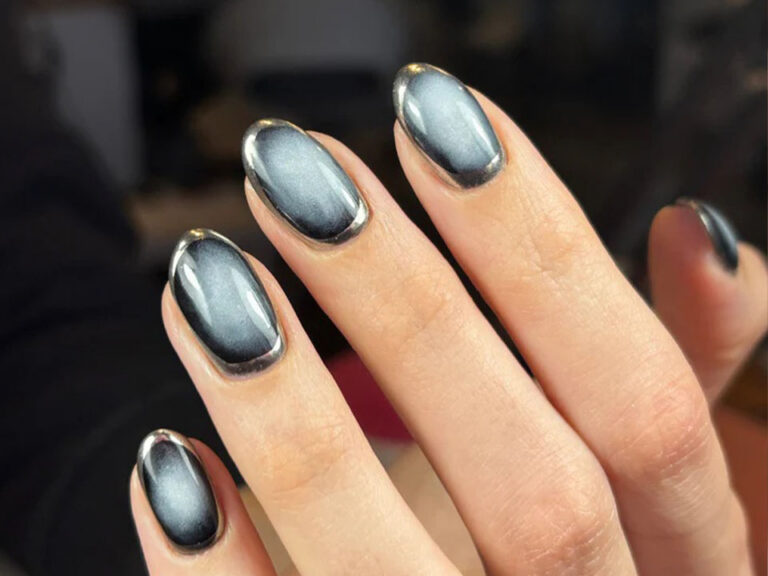
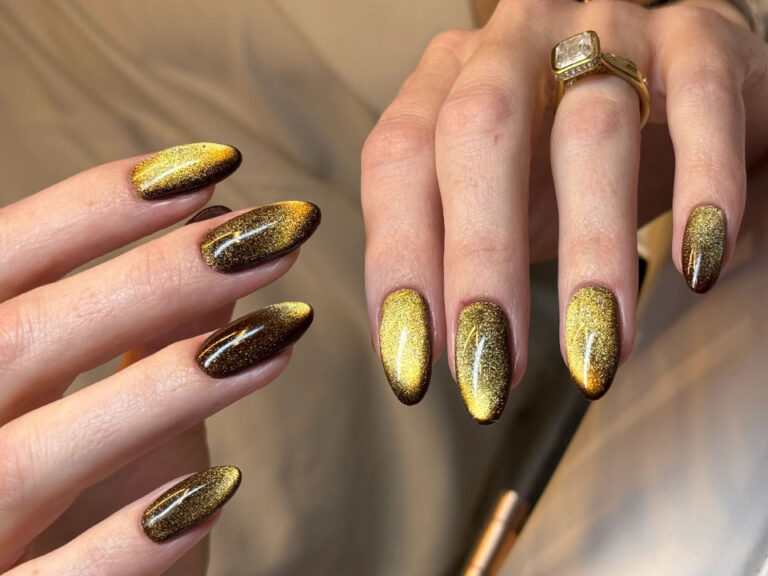
And cat-eye? Don’t let the shimmer fool you. Magnetic gels can be deceptively thick (and pigment-heavy), so expect different cure behavior from something like a wine red magnetic cat-eye gel set than a sheer nude.
Here’s the ugly truth: you can’t “willpower” a gel into curing under the wrong output profile.
Photoinitiators are picky. Some systems are engineered for LED curing (narrow-band UVA), some cure under both, and some “UV only” gels can under-cure in certain LED lamps if the absorption doesn’t line up with the lamp’s peaks. Under-cure isn’t a minor oops—it’s soft product, premature lifting, and more exposure to uncured monomers hanging around where your skin lives.
That’s not “sensitive skin.” That’s chemistry.
So when you ask “which lamp is best for home gel nails,” my answer is: the lamp that matches the gel system you’ll actually use most—and the one that gives you repeatability (timers that make sense, a ramp/low-heat mode, and consistent output).
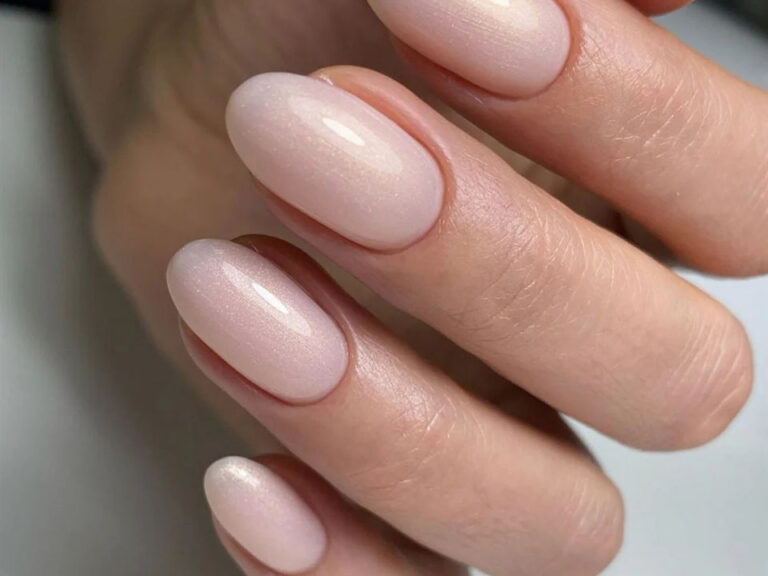
If your routine is builder overlays, you’ll likely run into thicker viscosity product like a nude shimmer builder gel for structure where depth cure matters more than speed. If your routine is glitter and effects, pigment load matters; a dense sparkle formula like a micro-glitter sparkle gel set can demand longer cure times than the label suggests—especially if your lamp output is weaker than advertised.
Nope. LED isn’t “safe,” it’s “different hardware.”
From my experience, the industry loves the “LED is safer” line because it sounds clean and modern and lets brands hand-wave away the uncomfortable part: curing requires UV-range energy, and LED curing devices commonly emit UVA.
In January 2023, UC San Diego researchers publicly summarized findings that UV-emitting nail dryers caused DNA damage and mutations in cells in lab testing. The underlying peer-reviewed study (Nature Communications, 2023) reported DNA damage and mutation patterns after exposure to UV nail dryers across mammalian and human cell types.
Now, before anyone spirals: lab testing isn’t identical to real-life manicures. But “it’s just light” is also not a grown-up argument.
The reasonable middle (the one I frankly believe is the only sane take): treat nail lamps like you treat sun exposure—minimize the dose you don’t need. The FDA’s consumer-facing nail guidance emphasizes using products safely and following labeled directions; it’s not “ban it,” it’s “don’t be sloppy.”
Cheap lamps are expensive. Not on the receipt—on the back end.
A junk lamp (or a lamp that lies) creates failure you misdiagnose, which makes you use more product, redo more sets, and mess with your nails more often. The cycle is predictable: under-cure → lifting → filing harder → irritated skin → “my nails hate gel” → blame everything except the lamp + cure protocol.
Here’s the real trade-off:
If you’re curing once a week at home, you don’t need a salon spaceship. You need consistency, a timer you’ll actually respect, and a low-heat mode so builder gels don’t torch you.