Stüdyonuz için Stok Yapın
Perakende ve toptan siparişler için Rose Younai'nin seçtiği tırnak jellerini, sanat tozlarını, aletlerini ve salon temellerini keşfedin.
Perakende ve toptan siparişler için Rose Younai'nin seçtiği tırnak jellerini, sanat tozlarını, aletlerini ve salon temellerini keşfedin.

Gel polish doesn’t “just lift.” It fails at the interface—where prep, curing physics, and product chemistry either bond or betray you. This breakdown shows the seven most common hidden causes and the exact fixes pros use.
You do everything “right,” you baby the set, you avoid hot baths like you’re guarding state secrets, and still—gel polish lifting after a week, sometimes sooner, sometimes in that humiliating little crescent at the cuticle that screams rookie. Why does gel polish lift?
Here’s the ugly truth: most lifting isn’t mysterious, it’s procedural, and the nail industry quietly benefits from you thinking it’s “your body” instead of a repeatable failure at the interface (prep + placement + cure + chemistry), because if it’s your fault, you’ll keep buying bottles instead of fixing the system. It works. Usually.
I frankly believe “bad nails” is the laziest explanation in beauty. It’s also the most profitable. And yes, some people do have bendier plates, more moisture, more day-to-day abuse. But the same three sabotage moves keep showing up: pterygium left on the plate, product on skin, and under-cure (the holy trinity of gel polish lifting reasons). Sound familiar?
Also, “gel” is not one product type. It’s a chemical family reunion—methacrylates, photoinitiators, pigment loads, viscosity modifiers—and brands don’t play nice with each other even when the labels pretend they do.
One fact that should make any skeptical pro pause: a 2024 market survey found HEMA (2-hydroxyethyl methacrylate) listed in nearly 60% of 394 nail cosmetic products and noted EU label requirements were often missing (warnings absent in substantial shares). That’s not “clean.” That’s sloppy. Study summary on PubMed
And if you’re thinking “I’m here for lifting, not a chemistry lecture,” okay—but under-cure plus skin contact isn’t just a durability issue, it’s a risk issue. The FDA is pretty direct that nail products can cause reactions and that some ingredients can be problematic when they contact skin. FDA tırnak bakım ürünleri kılavuzu
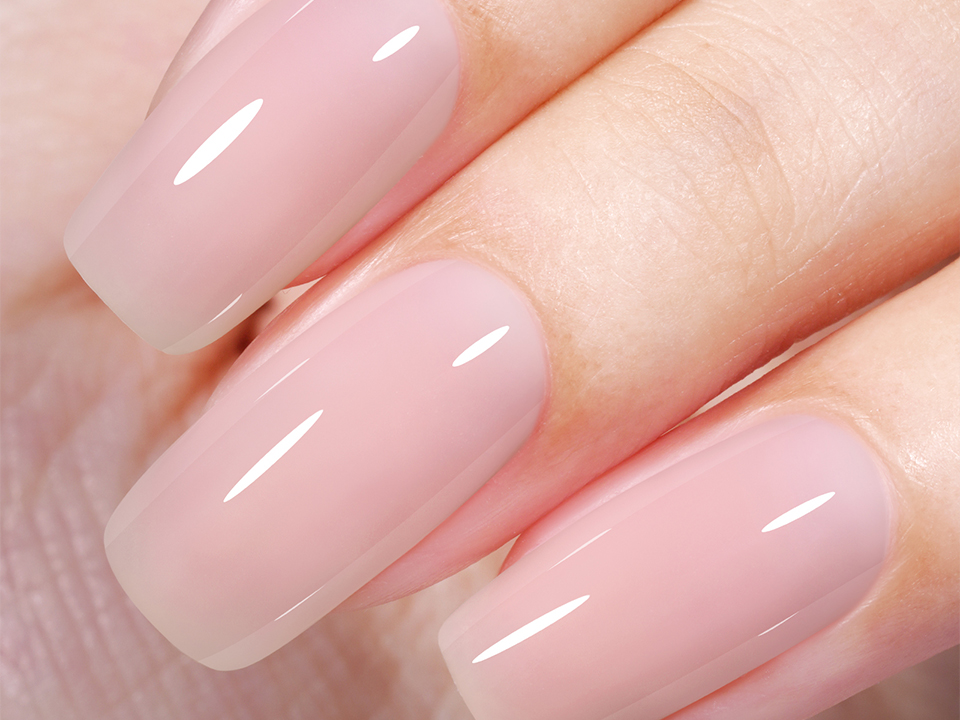
Gel polish lifting is interface failure. The cured film didn’t anchor into the nail plate strongly enough to survive water, heat, detergents, and flex (and your thumbs bending around your phone 400 times a day). So it releases—often at the cuticle or sidewalls where prep is worst and flooding is common.
You can’t top-coat your way out of an interface problem. You fix the interface. Or you keep peeling stickers off your nails, which… honestly, a lot of people do.
This one is everywhere. Nails look clean. They’re not.
If the plate still has that thin, clingy cuticle layer (tech slang: pterygium), your base is bonding to a ghost layer that’s ready to detach the moment it gets wet.
Tells
Fix
If you’re doing nail art and you need grip (not just pretty pigment), use a gel meant to hold detail layers down instead of stacking random coats. This is where a strong-hold art gel earns its keep: güçlü tutuşlu fonksiyonel tırnak sanat jeli
Some people do one lazy swipe with alcohol and call it best nail prep for gel polish. Others aggressively strip the plate until it’s chalky and stressed—then wonder why it lifts when the nail flexes.
Prep isn’t punishment. It’s control.
Fix
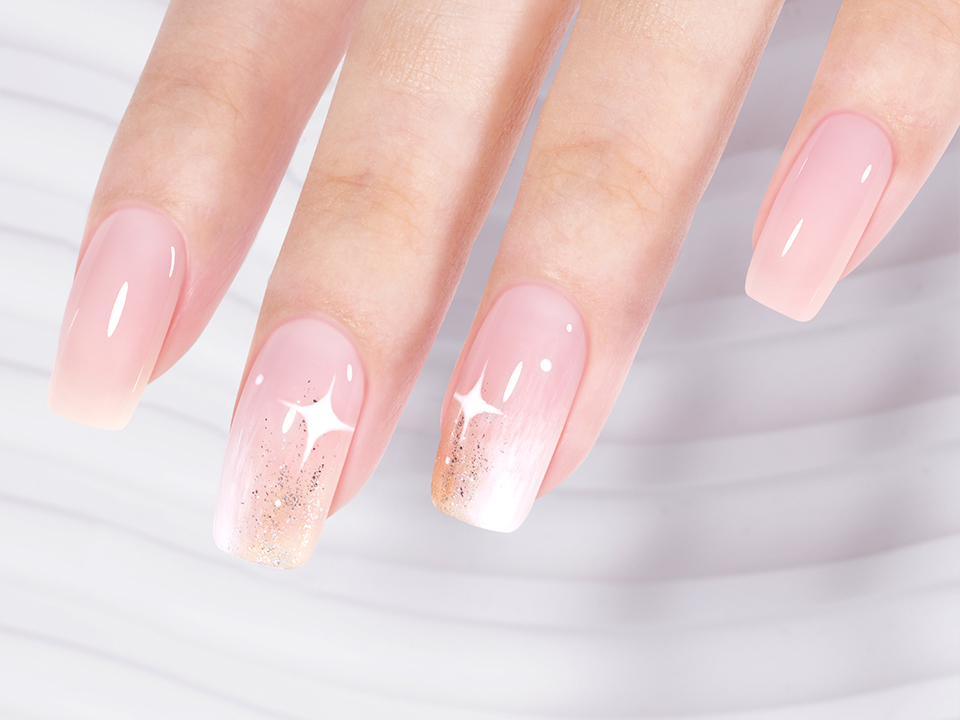
This is the “I can spot it from across the room” cause.
Product on skin = future lifting. Period. Skin shifts, stretches, hydrates, sheds. Your gel film can’t stay married to that.
Fix
Watts are a sales pitch. Wavelength is the actual story.
Most gel systems are tuned to UV-A ranges (common LED cure ranges around ~340–395 nm), but not all lamps output the same spectrum, and not all gels use photoinitiators that respond the same way. The University of California has summarized UC San Diego work on UV nail dryers operating in that band and showing measurable cellular effects under certain exposures—different problem, same point: lamp output is real physics, not vibes. UC report on UV nail dryers
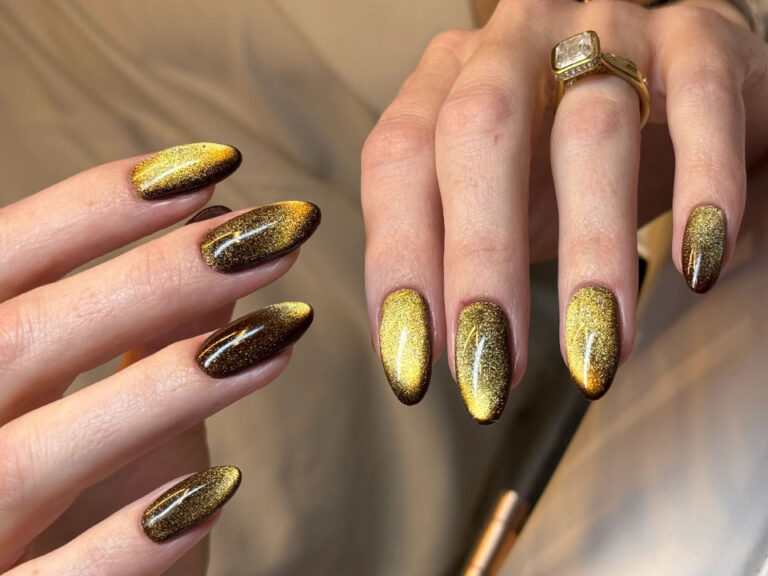
Under-cure is sneaky: hard top, soft underlayer, then lifting and edge breakdown later. And it gets worse with dense pigment, heavy glitter, and cat-eye formulas (because the light doesn’t penetrate evenly).
Fix
Thick gel feels luxe. Thick gel also traps partially cured material underneath—especially at sidewalls where the light angle is weak and your coat is inevitably heavier.
Fix
This one shows up as tip peel first. Then the peel creeps back. Then you’re angry at your top coat like it personally betrayed you.
Water intrusion is slow sabotage: the plate swells, the bond gets stressed, the film starts lifting.
Fix
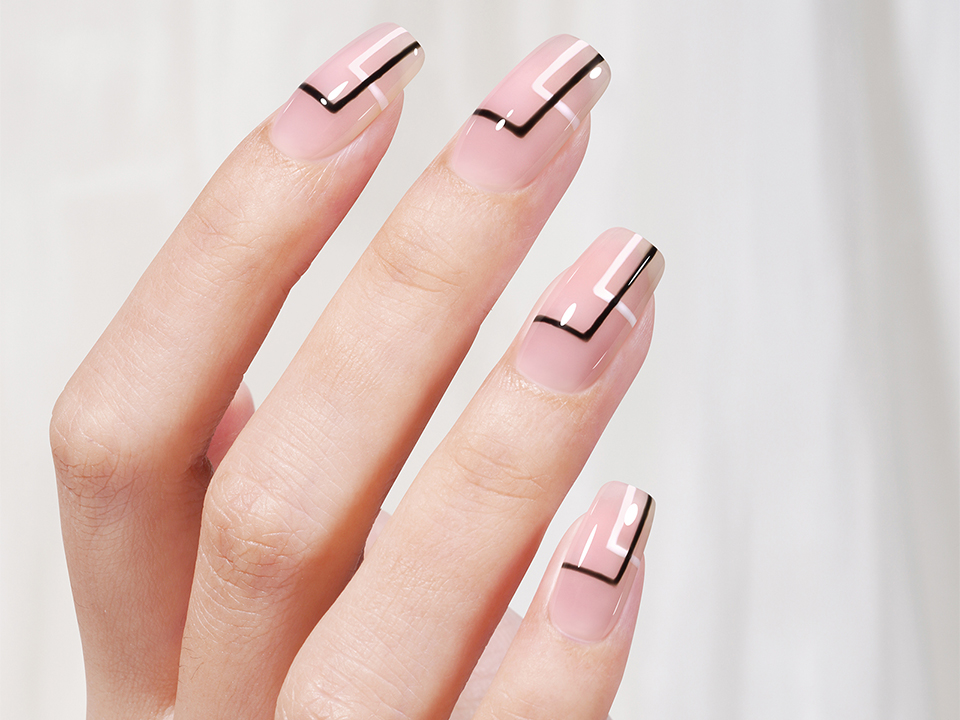
A base coat isn’t just “sticky gel.” It’s a designed interface: monomer ratios, adhesion promoters, flexibility, viscosity, compatibility with the top and lamp. When you mix random base, random color, random top, random lamp… you get weirdness:
Fix
| Where it lifts | Most likely cause | Fast confirmation test | Fix that actually works | Typical improvement window |
|---|---|---|---|---|
| Cuticle halo within 3–7 days | Product touched skin / residue “invisible cuticle” | Look for cured gel on skin line; scrape—does it peel as a sheet? | Refine cuticle cleanup; leave micro-gap; remove floods pre-cure | Next set |
| Sidewalls pop first | Oils + missed prep at edges | Swipe lint-free + alcohol at sidewall; see residue? | Scrub edges; thin coats; better brush control | Next set |
| Tips lift/peel | No edge seal + water intrusion | Does tip show wear line before lift? | Cap free edge every layer; reduce over-filing tips | 1–2 sets |
| Whole nail peels clean | Under-cure / wrong lamp | Dents after cure? Gummy underlayer? | Match lamp/system; longer cure; thinner layers | Next set |
| Random nails fail | Flex + structural weakness | Failures cluster on thumbs/index? | Add structured overlay (builder); reduce thickness spikes | 1–3 sets |
| Lifting with itching/redness | Possible methacrylate sensitivity | Symptoms extend beyond nail plate | Stop exposure; seek derm advice; avoid skin contact forever | Immediately (safety first) |
Yet the industry keeps pretending this is all “nail type.”
Training churn is real. Labor churn is real. The U.S. has ~210,100 manicurists/pedicurists and ~24,800 openings per year projected—translation: lots of new hands, inconsistent technique, and a ton of rushed education. BLS outlook
And the chemistry side? Messy. That 2024 survey pointing out missing warnings and mislabeling in nail cosmetics wasn’t some niche drama—online listings are where DIY users shop, and DIY is where skin contact and under-cure happen most. Study summary on PubMed
Then there’s the clinical hangover: a 2024 paper described HEMA sensitivity rates up to 8.1% in a patient sample and tied most cases to nail cosmetics. 2024 “pandemic of sensitivity” paper
So when you ask “how to stop gel polish lifting,” I hear a second question underneath it: “Why does this keep happening to so many people?” Because the pipeline (products + lamps + education) is built for selling, not for outcomes. There. I said it.
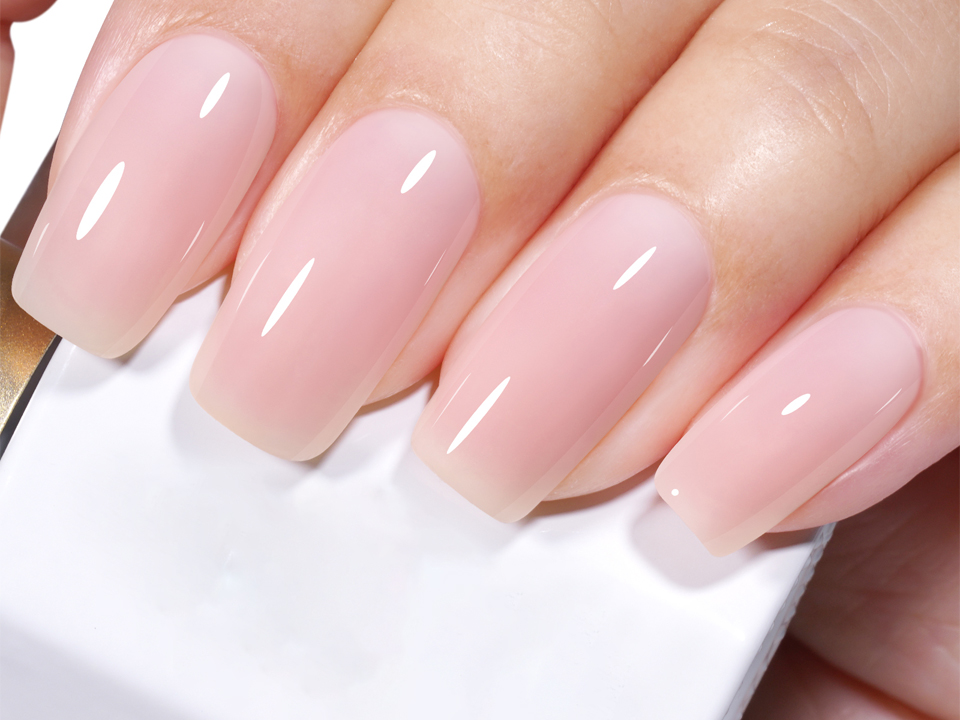
Gel polish lifting at the cuticle is the premature separation of a cured gel film from the nail plate near the proximal nail fold, usually triggered by product touching skin, leftover pterygium on the plate, or oil/dust contamination that blocks base-coat bonding to keratin. Do the boring fix: clear the plate, stop flooding, and leave a hairline gap before curing.
Stopping gel polish lifting after a week means preventing adhesion failure at the nail–gel interface across repeated water, heat, and flex cycles by controlling prep, product placement, layer thickness, and full polymerization so the film stays anchored instead of shearing off on day 5–7. Standardize your setup for a month: same base/top, same lamp, thin coats, sealed edge—then tweak one variable, not seven.
Under-cured gel is partially polymerized product that feels hard on top but stays soft, rubbery, or dentable underneath, often causing early lifting and sometimes irritation because reactive monomers can remain unbound when the lamp’s output and the gel’s photoinitiator system don’t align. Do a cure test strip, try denting it, and if it’s suspect—thin layers and longer cure, or switch lamps.
Gel polish peeling off nails is usually a technique-driven interface failure (dirty plate, cuticle residue, flooded skin line, or under-cure), while true product-driven failures are more often chemistry incompatibility between base/top systems, heavy pigment or glitter blocking cure depth, or contaminated bottles that drag oils and dust into every layer. If it’s happening across brands, assume your process is the culprit and audit prep + cure first.
Fixing lifted gel polish means removing detached material safely, restoring a clean bonded surface, and reapplying thin, fully cured layers so water and debris don’t get trapped under a lifted pocket where it can worsen lifting or stress the natural nail plate. Don’t rip it. Clip/soft-file the lifted edge, cleanse, and either patch only solid areas or remove and restart if lifting is widespread.
If you want the fastest win, stop playing ingredient roulette and start acting like you’re debugging a system: one lamp, one base/top, thin layers, no skin contact, sealed edges. It’s not glamorous. It’s what stops gel polish lifting.
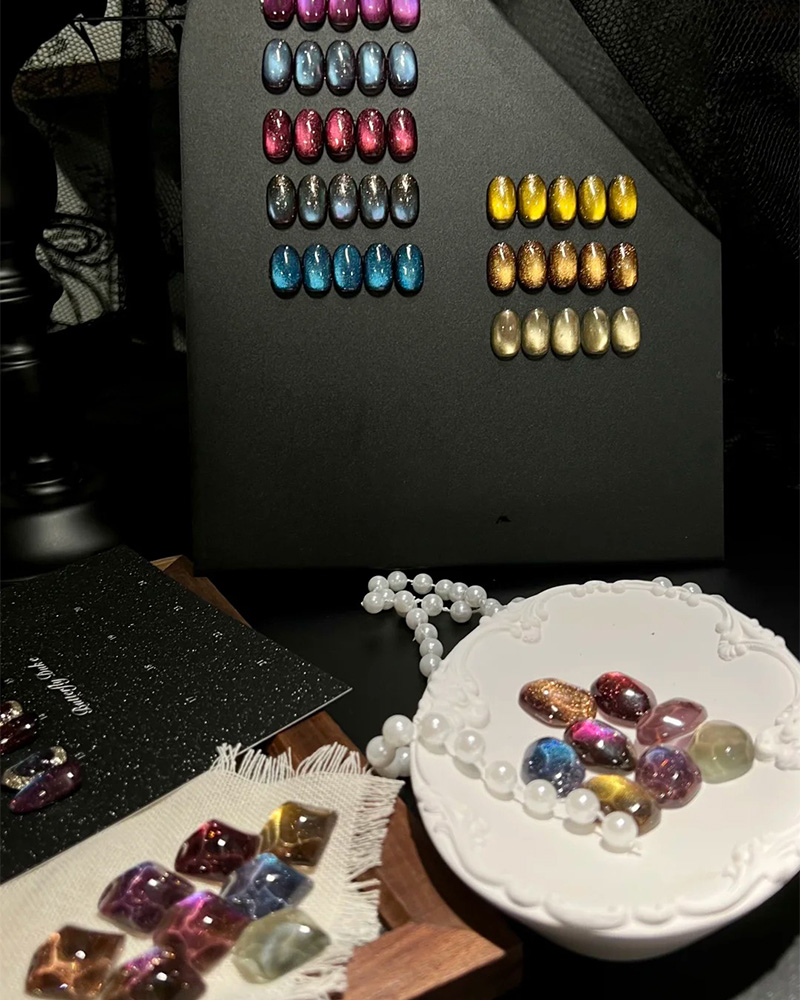
When you’re ready to build durability (especially if your nails flex and pop polish off), use structure instead of stacking: start with a controlled overlay like this EU-standard nude shimmer builder gel, then keep art layers thin with a grip-first formula like this güçlü tutuşlu fonksiyonel tırnak sanat jeli. And if you’re using dense effects (cat-eye, glitter), treat curing like engineering, not vibes: şarap kırmızısı manyetik kedi gözü jel seti ve double-focus micro glitter set.
Want me to turn this into a one-page “gel lifting audit checklist” you can hand to clients or techs?