Stock Up for Your Studio
Explore Rose Younai’s curated nail gels, art powders, tools, and salon essentials — available for retail and wholesale orders.

DIY gel isn’t “quick”—it’s predictable if you stop guessing. Here’s the real time math (prep, coats, curing) and the hidden variables that quietly double your session.
Three truths first. DIY gel is fast only on TikTok, and the clock punishes sloppy prep, thick coats, and underpowered lamps—because gel chemistry is unforgiving, photoinitiators need sufficient energy, and your “one extra swipe” becomes a curing bottleneck that snowballs across four to eight layers. Sound harsh?
So I’m going to treat this like a timeline audit, not a vibe check. If your question is “how long does a gel manicure take at home,” the honest answer is: 45–90 minutes for a normal set, and 90–120 minutes if you do builder, heavy art, or you’re still learning.
Short sentence. The details matter, because “DIY gel” is really a stack of micro-jobs—dehydrating, shaping, cuticle work, base, color, top, curing—where a two-minute delay repeated six times becomes your whole evening. Want the receipts?
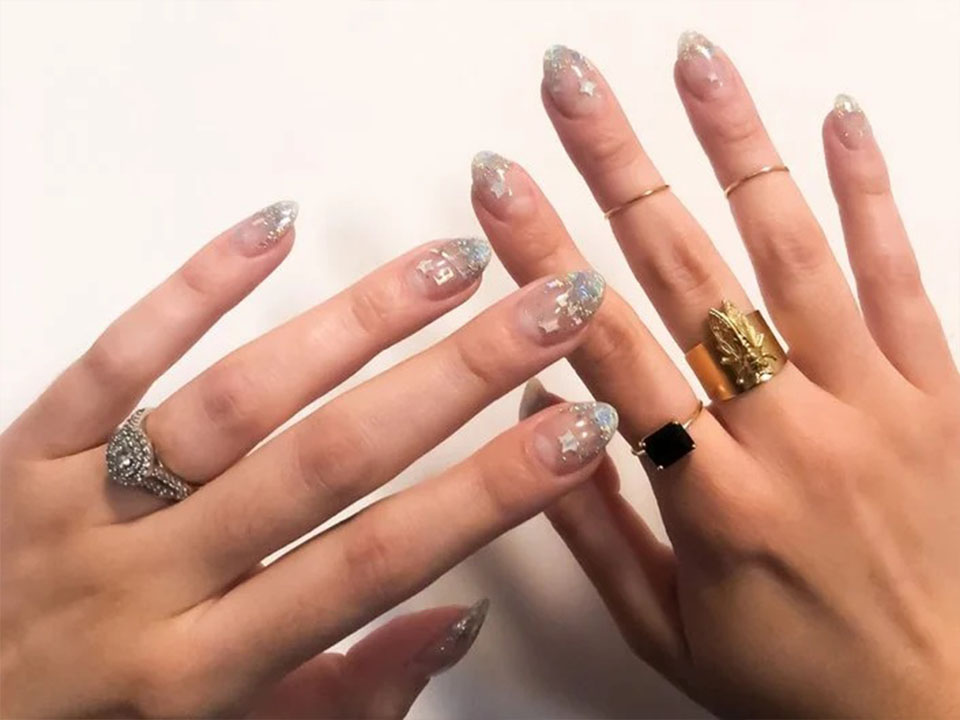
Here’s the baseline I’d bet on for most DIYers using an LED lamp rated 36–48W, thin coats, and no elaborate nail art.
Total time: 55–85 minutes (short nails) Total time: 75–110 minutes (long nails, builder, or art)
Prep is the difference between a 2-week wear and a peel-off tragedy. It also decides whether you’ll be redoing two nails later (which is the slowest way to do anything).
But. If you over-file the natural nail, you may get soreness, thinning, and then you hesitate on the next steps—hesitation adds minutes and mistakes, and mistakes add rework, and rework makes your “quick set” become a 2-hour saga. Still think prep is optional?
Why it drags: flooding cuticles (then cleanup), or applying base too thick “for strength” (that’s what builder is for).
Assume 2 coats for most colors, 3 coats for sheer/jelly, some glitters, or if you insist on salon-level opacity.
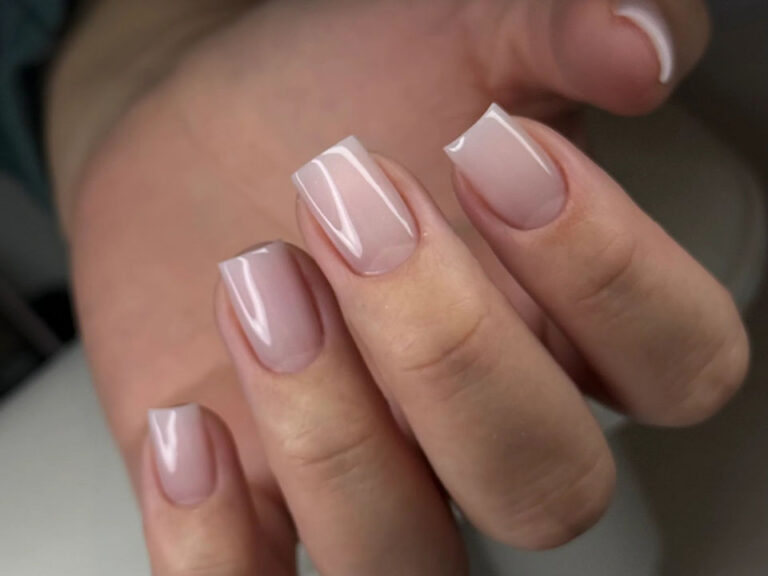
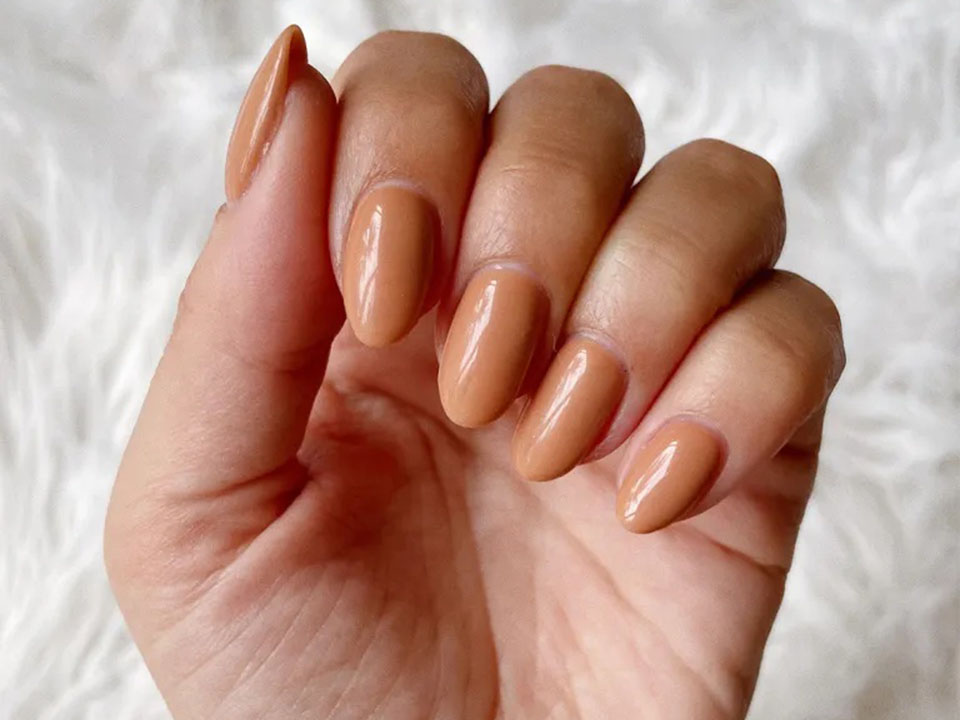
If you’re doing a sheer nude, your best “time saver” is choosing a formula that looks intentional in fewer coats—something like a soft wash finish rather than chasing full coverage. That’s why I’d point a beginner to a one-and-done look like dewy glow sheer nude nail gel instead of a fussy, streak-prone shade that forces a third coat.
Three words: Cap the edge. Because if you don’t cap, your free edge chips, you “touch up” midweek, and suddenly your time commitment isn’t 75 minutes—it’s 75 plus repairs. Do you want a manicure or a recurring project?
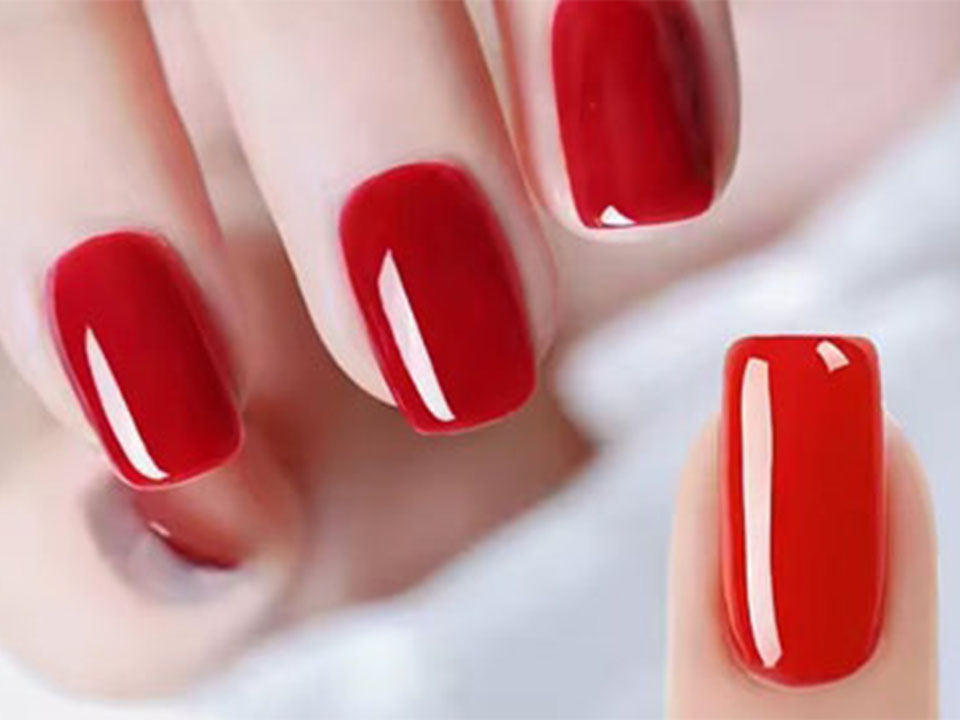
Curing isn’t a timer—it’s energy delivery.
Tiny sentence. Curing is physics. If your lamp is weak (common with cheap “48W” units that don’t output like they claim), your gel is pigmented or glitter-heavy (light scatter + absorption), or your coats are thick (light can’t penetrate), your “60 seconds” becomes “still tacky, still soft, still dents when I tap it,” and you add more time without fixing the cause. So what’s the fix?
Here are the big levers:
And yes—there’s also the safety angle people skip because it’s inconvenient. Public research has flagged two issues DIYers should actually understand:
Do DIY anyway? Sure. Just do it like an adult: thin coats, correct lamp, and no gel on skin.
| Stage | Typical Time (DIY) | What secretly slows it down | Best way to speed up DIY gel manicure |
|---|---|---|---|
| Remove old product | 5–15 min | Lifting you ignore; thick layers; rushed scraping | File bulk first, then remove gently; don’t “dig” |
| Shape + refine | 3–8 min | Re-shaping after every coat because edges look uneven | Shape once, finalize after top coat only if needed |
| Cuticle work | 3–10 min | Overdoing it; bleeding; stopping to clean tools | Light push + minimal cleanup; keep it consistent |
| Dehydrate/clean | 1–2 min | Oils/cream residue | Alcohol wipe, then don’t touch nails |
| Base + cure | 3–6 min | Thick base; flooding cuticles | Thin base, cap edge, cure once correctly |
| Color (2 coats) | 10–25 min | Thick coats; high pigment; glitter placement | Two thin coats > one thick; cure per system |
| Top + cure | 4–8 min | Uneven top; not sealing texture | Float top coat, cap edge, full cure time |
| Builder overlay (optional) | +15–35 min | Overbuilding; chasing symmetry on each nail | Build structure efficiently; file only after full cure |
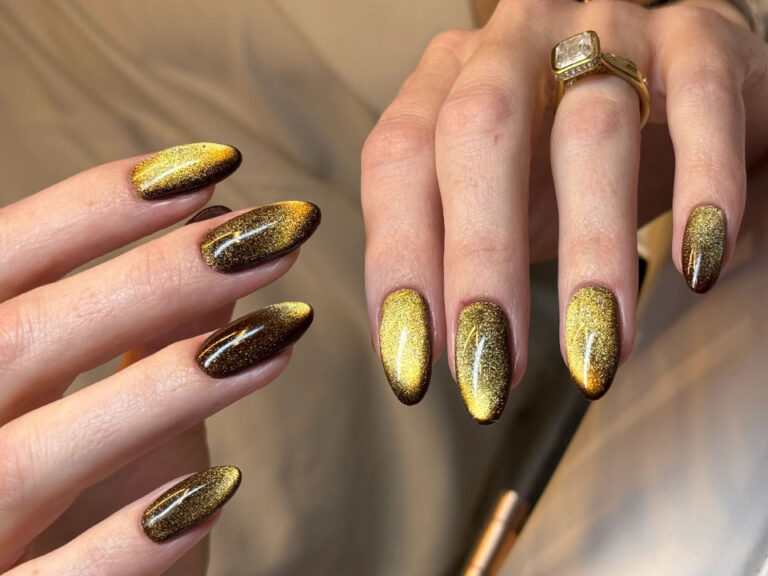
| Magnetic / nail art (optional) | +8–30+ min | Re-doing effect; dragging lines | Work one hand at a time; quick flash-cures if needed |
A gel manicure at home for a beginner typically takes 75–120 minutes because learning-time is spent on prep accuracy, controlling product amount, avoiding cuticle flooding, and redoing mistakes; the actual curing is short, but the repeated application-and-fix cycle adds up fast across base, 2–3 color coats, and top coat. If you’re new, plan for two things: slower brush control and more cleanup. Speed comes after consistency, not after buying ten more colors.
Curing gel polish with an LED lamp usually means 30–90 seconds per layer (and often 60–120 seconds for top coat), depending on lamp output, gel pigmentation, and coat thickness; under-curing can leave gel soft beneath the surface even if it feels dry, which hurts wear and increases skin exposure risk. If your brand specifies 60 seconds, don’t “improvise” down to 20. And if you’re doing dense glitter or deep shades, longer cures are normal.
Gel curing feels slow when the lamp’s real output is weak, the wavelength doesn’t match the gel’s photoinitiator system, coats are too thick, or pigments/glitter block light—so the gel partially sets on top but stays soft below, forcing extra cure cycles that don’t solve the root cause. Try thinner coats first; it fixes more “slow cure” complaints than any other change.
The fastest realistic DIY gel manicure timeline is 40–60 minutes when you do disciplined prep (10–15), a thin base (3–5), two thin color coats with proper curing (15–25), and a clean top coat cure (5–8), with zero nail art and minimal fixes; anything “faster” usually hides mistakes. Choose shades that cover in two coats and skip builder and effects when you’re short on time.
Builder gel adds 15–35 minutes because it introduces structure-building, leveling, longer cures, and often filing after curing; it’s not just “one more coat,” it’s a mini-overlay process that demands symmetry and thickness control, especially on weak or long nails where you’re creating an apex for strength. If you need durability, it’s worth it—just schedule it like a separate step, not an add-on.
If you want your timeline to shrink, stop fighting your products. Pick one look that behaves predictably, then repeat it until your hands move without thinking.
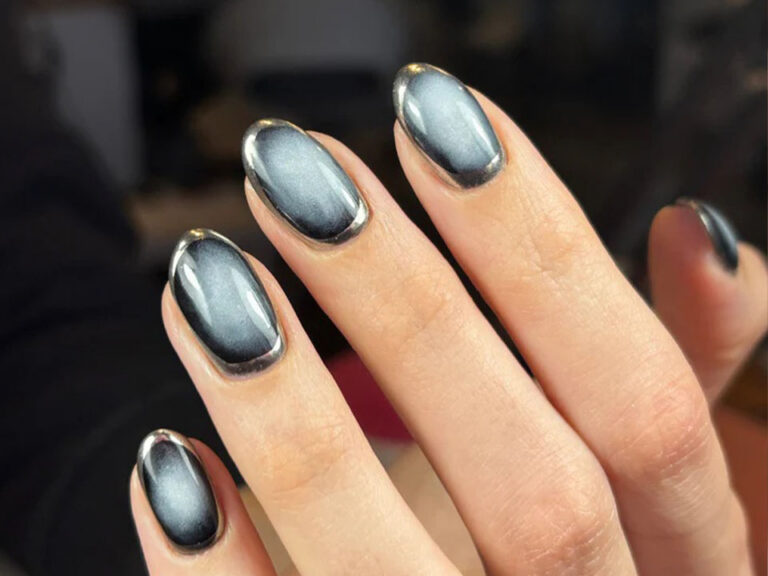
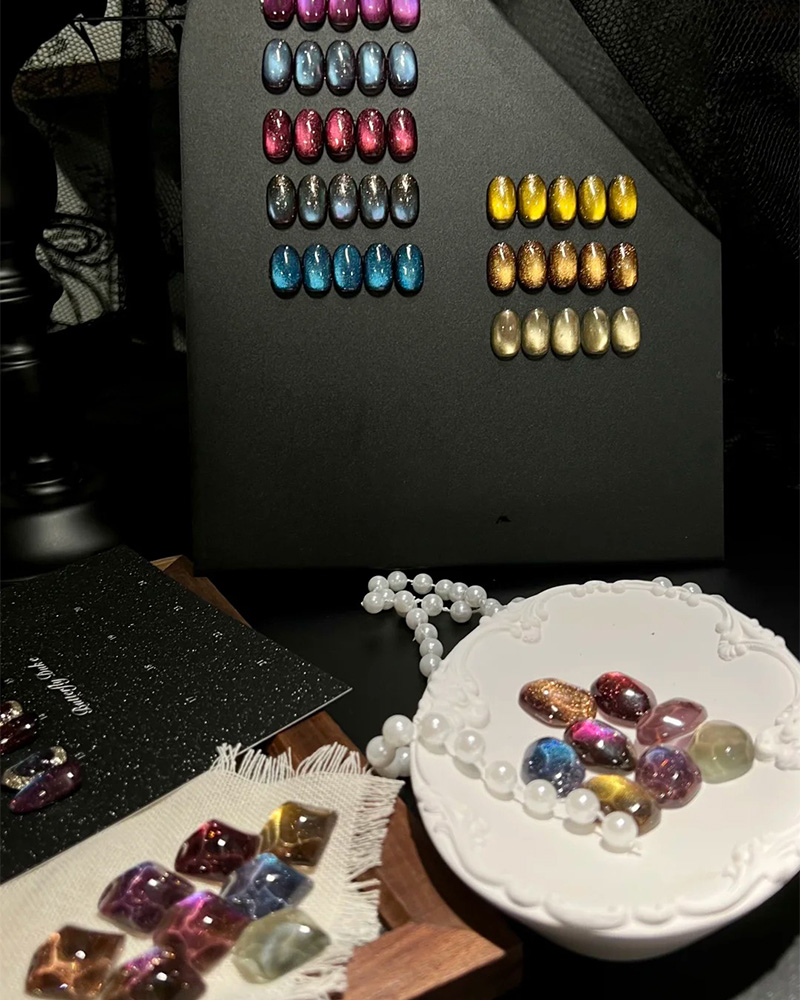
Start simple with a clean, forgiving finish like dewy glow sheer nude nail gel, level up strength with nude shimmer builder gel, and only then graduate to time-hungry effects like wine red magnetic cat-eye or detail work with strong-hold nail art gel.