Stock Up for Your Studio
Explore Rose Younai’s curated nail gels, art powders, tools, and salon essentials — available for retail and wholesale orders.

Rubber base and builder gel get lumped together online, then people wonder why their nails still peel, snap, or lift. This is the practical, nail-type-first breakdown—with safety data and the ugly industry bits nobody puts in product descriptions.
I’ve sat across from too many people with that exact look—two hands on the table, thumbs rubbing the free edge like they’re checking fabric at a store, whispering “I swear I did everything right,” while the gel is lifting in neat little crescent moons that scream product mismatch more than “bad prep,” and yeah, it’s almost always the same root cause. It happens. Often.
But let’s not pretend this is some mystical nail fate. Rubber base vs builder gel is basically a materials problem that got dragged into beauty marketing, then watered down into “use this for weak nails” (as if weak is one thing), and now Reddit threads recycle it until everyone’s convinced thicker equals stronger, even when thicker is just… thicker. So—what are you actually buying?
Here’s the ugly truth: a lot of brands sell “strength” like perfume. Vibes. A name. A glossy promise. Meanwhile, any grown-up discussion about gel products ends up circling back to acrylates, curing discipline, and contact dermatitis, because once you sensitize to these monomers, you don’t “reset” your immune system by switching brands. (And no, I’m not linking out to other sites—your constraint, not mine.)
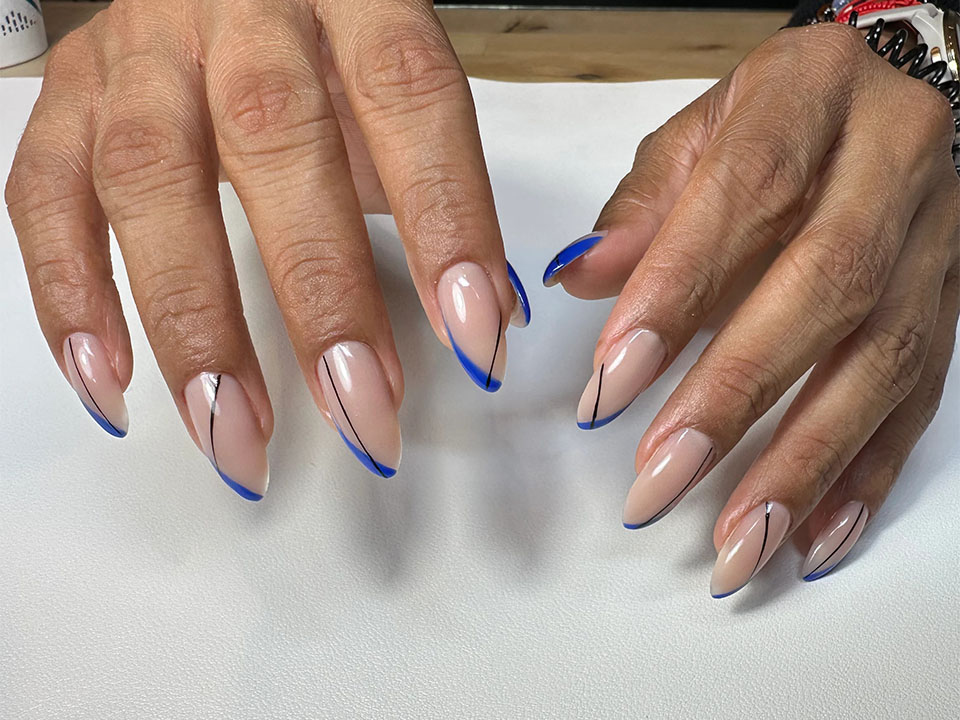
Yet people keep using rubber base like it’s mini-builder, stacking it fat near the cuticle, flooding sidewalls, curing under a weak lamp, then acting shocked when it lifts, because rubber base is basically meant to move—it’s the flexy underlayer that grips soft nails and rides the bend instead of fighting it, which can be perfect for peelers and ridgey nail plates. Not a beam.
If rubber base fails, it fails in the “soft failure” way: edge wear, micro-lift at the sidewalls, little chips that turn into peeling, and that sneaky lifting you don’t notice until hair gets caught in it (the true horror test, honestly). And if you respond by adding more and more rubber base? Congrats, you’ve made a thick, bendy pancake that still isn’t an apex. You feel me?
So if you’re searching “rubber base or builder gel for weak nails,” your first job isn’t picking a bottle. It’s naming the failure mode. Peeling isn’t snapping. Bending isn’t splitting. “Weak” is a complaint, not a diagnosis.
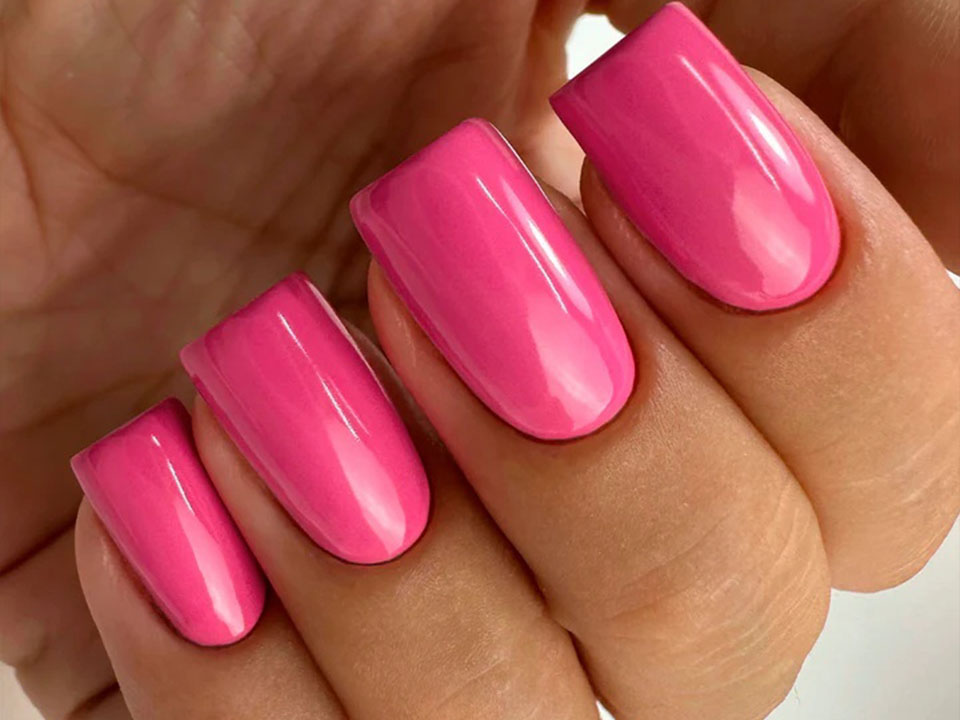
I frankly believe builder gel is the most misunderstood product in DIY nails. People think builder is “thick base.” No. Builder is architecture—apex placement, stress distribution, controlled thickness—done right, it stops that repeat bend at the stress line that turns thin nails into little guillotines every time you bump a drawer. Big difference.
And… builder gel is also where sloppy technique gets punished. Hard. Too rigid on a super-flexy nail plate? You’ll pop lifts like bottle caps. Too thick, too fast, underpowered cure? You’re flirting with under-cure in the center (where the light doesn’t penetrate as well), and that’s where irritation and allergy stories start. The industry doesn’t say this loudly because it’s bad for sales, but it’s real.
Builder gel shines when:
Builder gel is a pain when:
Three words: name the break. Because the “best for YOUR nail type rubber base or builder gel” question has a boring answer: it depends on how you fail.
But let’s get more specific. Uncomfortably specific.
Rubber base usually wins. Peeling is surface-layer separation; flex support helps reduce edge trauma, so you aren’t constantly starting new splits at the free edge.
This is the mushy middle. Rubber base might help if you’re just over-flexing, but if you tear in the same spot repeatedly, you need structure—thin builder overlay with an apex that actually sits where stress happens (not wherever the gel “settled”). Annoying. True.
Builder gel wins. Snapping is a structure problem. You need an apex and a higher-resistance layer so the nail stops folding like a credit card.
Stop blaming the bottle first (I know, I know). Check:
Also: yes, some gels are just… not great. Formulation and labeling in this category can be messy. That’s me being polite.
But here’s where buyers are honest: you don’t care about chemistry until something goes wrong. You care about 14 days. No lifting. No soreness. No flaky mess after removal.
Here’s my blunt take: most “damage” blamed on builder gel is removal damage. People pry. They peel. They over-file the nail plate like they’re sanding a countertop. Then they say builder gel “ruined” their nails. No—your removal ruined your nails. Rubber base gets a softer reputation because it’s often thinner, so people don’t notice how much keratin they’re ripping off when they peel it.
If you want a real comparison (not marketing), judge:
| Factor | Rubber Base Gel | Builder Gel | Best for YOUR nail type |
|---|---|---|---|
| Core behavior | Flexible, cushioning | Structural, shape-holding | Flexible nails → rubber base; brittle/thin → builder |
| Typical use | Base under gel color, light reinforcement | Overlay, apex building, short extensions | Peeling edges vs snapping stress line |
| Thickness strategy | Thin-to-medium, even layer | Controlled apex (thicker at stress point) | If you need an apex, you’re in builder territory |
| Failure pattern | Edge wear, sidewall lift on very oily nails | Cuticle lift if skin contact/undercure; stress cracks if too rigid on bendy nails | Match product flex to natural nail flex |
| Removal | Usually soak-off (brand-dependent) | Soak-off builder or file-off hard gel | If you pick/peel, both will punish you |
| Sensitization risk drivers | Skin contact + under-cure | Skin contact + under-cure (often thicker layers = higher risk) | Technique matters more than label claims |
| When it’s a bad idea | Very thin nails that need structure | Very bendy nails if built too rigid | Don’t force one product to do the other’s job |
So. Real talk. If you’re a serious buyer comparing top two products before purchase, you don’t want poetry—you want a setup that matches your nail type and doesn’t spiral into three more purchases “to fix it.”
If you need structure (thin, brittle, snapping nails): start with an actual builder.
If you need precision holding power (charms, 3D, little repairs): keep a functional gel.
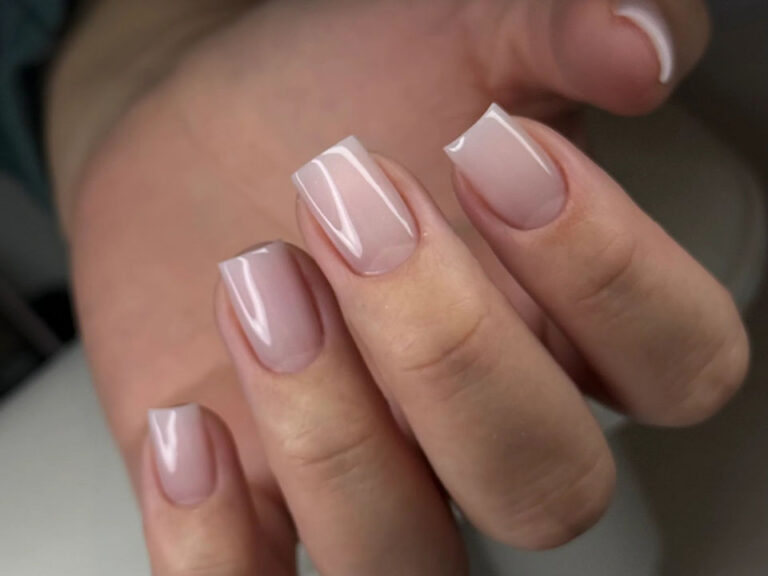
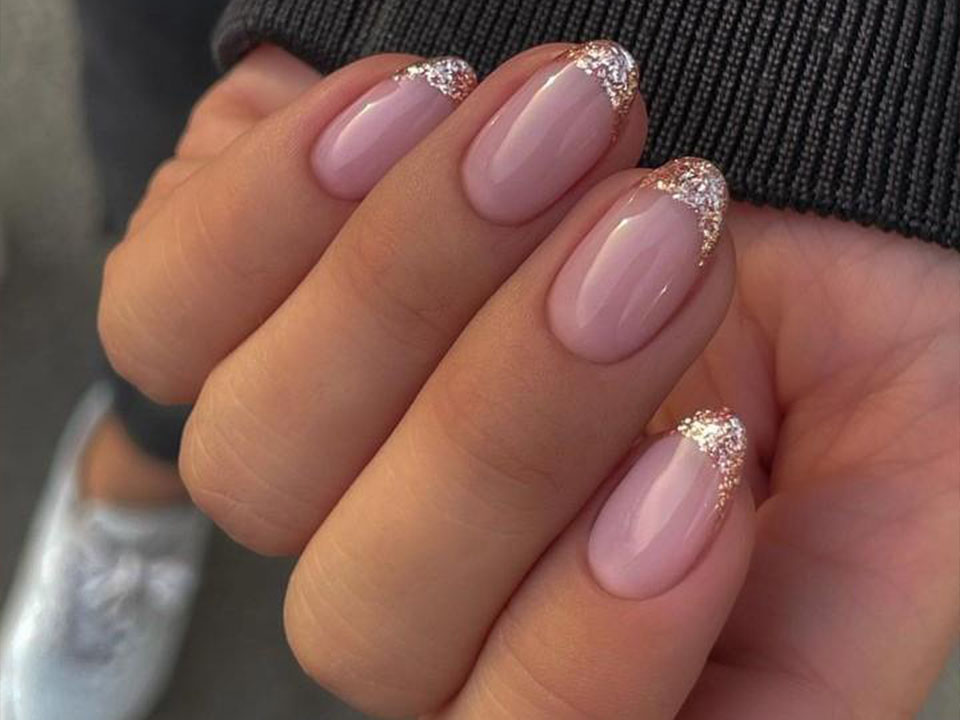
If you want a sheer, forgiving finish on top (and you’re not trying to build structure with color): keep it thin.
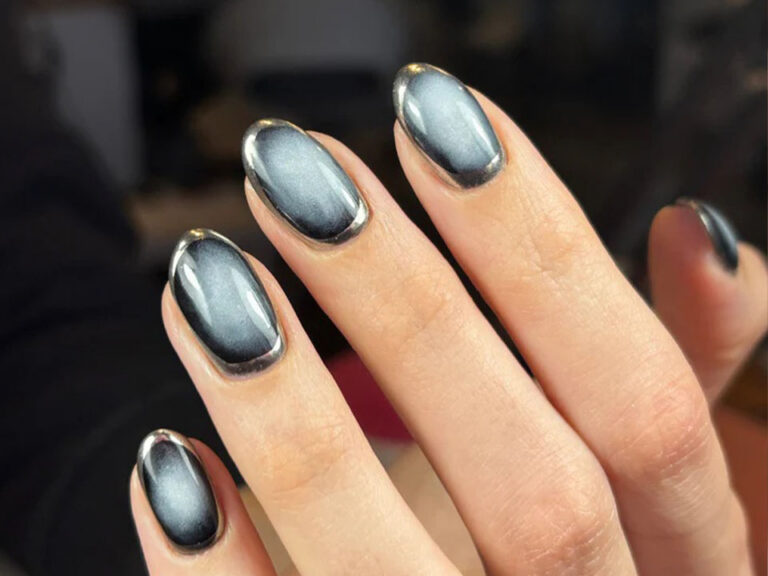
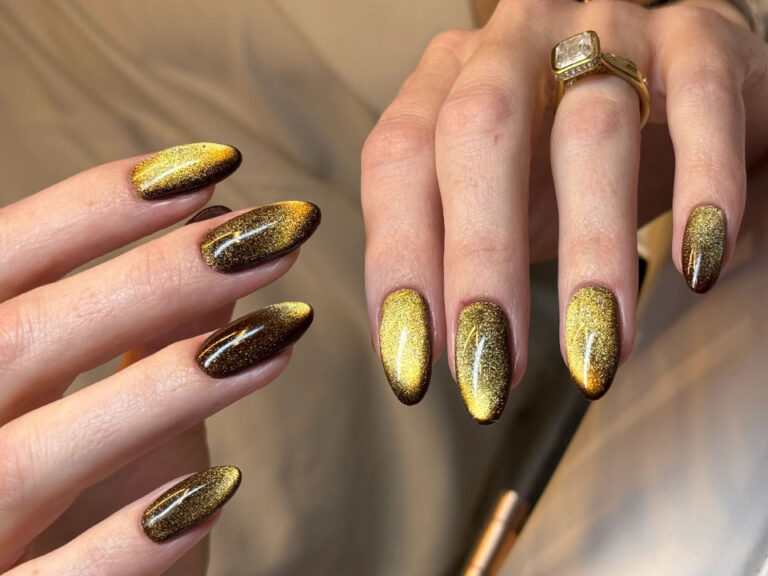
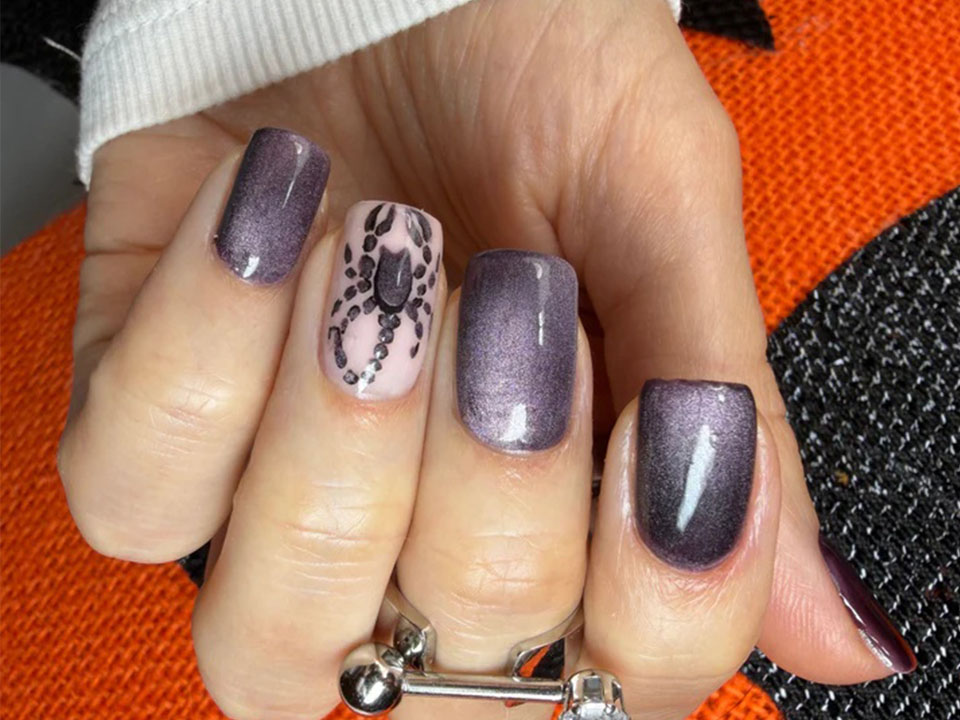
If you’re doing cat-eye effects: treat it like art, not reinforcement (because it’s not your base).
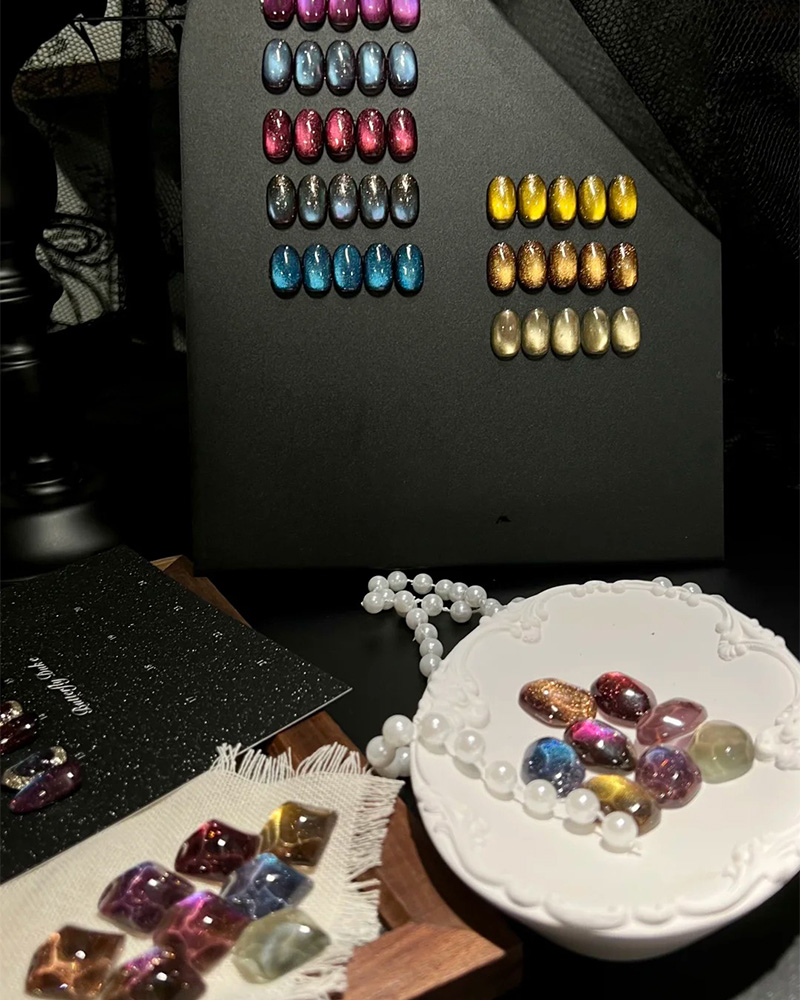
And yeah—notice what I didn’t recommend as a “strength solution.” Glitter sets and magnetic gels aren’t your structural layer. They’re the fun part. Build the foundation first.
Rubber base gel is a flexible, self-leveling soak-off base—typically built on urethane acrylate oligomers plus adhesion monomers—designed to grip and flex with the natural nail, smooth ridges, and cushion peeling edges under gel color, rather than forming a rigid apex or true structural overlay. If your nails peel or feel soft, rubber base is often the better mechanical match, assuming you keep it off skin and cure properly.
Builder gel is a thicker UV/LED-curing gel with higher viscosity and a more rigid cured network, used to create structure—an apex, stress resistance, and controlled thickness—so thin or brittle nails stop flexing and snapping, and so overlays or short extensions can hold shape without constant breaks. It’s not “thick base,” it’s architecture, and it rewards precision.
For weak nails, rubber base is best when “weak” means flexible and peeling at the free edge, while builder gel is best when “weak” means thin, brittle, and snapping from lack of structure; you’re choosing between flex support and structural reinforcement based on your failure pattern. If you lift constantly, technique (prep, skin contact, curing) may be the real culprit.
A builder gel overlay is a structural layer built on the natural nail to add strength and an apex without adding length, while gel extensions use builder gel with forms or tips to add measurable length and reshape the free edge; both require correct stress placement, compatible base layers, and thorough curing. Overlay first if you break in the same spot every time.
Choosing between rubber base and builder gel for brittle/thin nails means deciding whether your nail needs flexible adhesion support (rubber base) or added structure and stress resistance (builder gel), because brittle/thin nails usually fail from repeated flex at the stress line rather than surface peeling alone. If you snap clean, builder overlay is usually the move.
HEMA-free means the product excludes 2-hydroxyethyl methacrylate specifically, but it doesn’t guarantee low allergy risk because other acrylates and methacrylates may still sensitize, especially with skin contact, thick layers, and under-curing near the cuticle where reactive residue can linger. Treat “free-from” as a label detail, not a safety certificate.
Buy by nail type. Seriously. If you snap, start with N Series 3-Free Nude Shimmer Builder Gel. If you do charms or need control fixes, add Functional Nail Art Gel for Strong Hold. Finish clean with Dewy Glow Sheer Nude or go magnetic with Silk Milky Glass Cat-Eye or Vintage Amber Cat-Eye.
And please—don’t peel cured gel off like it’s tape. That’s not a “removal method.” That’s you starting the next problem early.