Stock Up for Your Studio
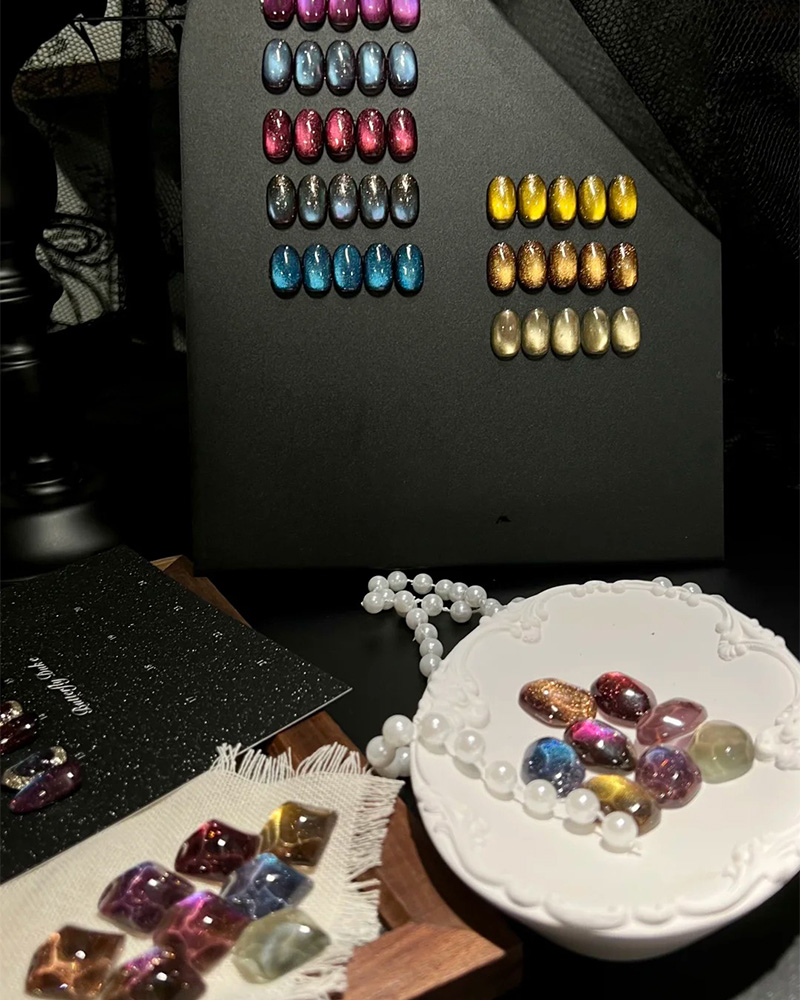
Explore Rose Younai’s curated nail gels, art powders, tools, and salon essentials — available for retail and wholesale orders.

Most “poly gel vs builder gel” advice is marketing fluff. This piece strips it to chemistry, workflow, failure modes, and the hard costs salons and DIY buyers actually pay.
Because “poly gel” and “builder gel” aren’t just two vibes in a bottle; they’re two different operating systems with different chemistry, different failure points, and different reasons brands love to blur the line—especially when the buyer is mid-funnel and already comparing “rubber base vs builder,” then graduates to this matchup.
And yes, I’m going to say the quiet part out loud: the industry profits from confusion. If you don’t know what you’re buying, you can’t price-compare intelligently, you can’t troubleshoot lifting, and you can’t tell whether you need a refill, a full removal, or just better prep.
So what are we really comparing?
Poly gel (often written “polygel”) is basically a hybrid: gel resins plus acrylic-style polymers/oligomers that give it that “putty” behavior. Builder gel is gel resin-forward: a thicker gel designed to build structure (apex), usually either soak-off builder (BIAB style) or hard builder (file-off).
Sounds simple. It isn’t.
Why? Because brands label wildly. “Builder” can mean flexible soak-off that behaves like a strong rubber base, or it can mean rock-hard sculpting gel that must be filed. “Poly gel” can be a true low-flow hybrid, or it can be a thick builder marketed as poly because “poly” sells.
So here’s the comparison that actually helps you buy and use it.
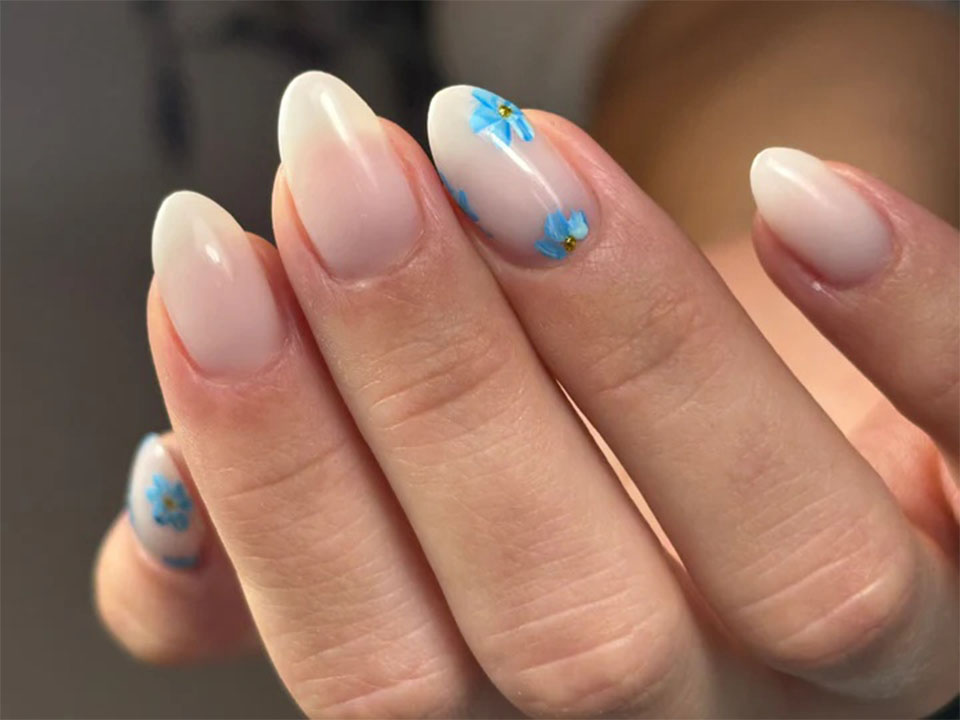
Poly gel is thick, low-flow, and shape-stable. You push it where you want it, and it mostly stays there. That makes it forgiving for beginners, slower hands, and anyone who hates chasing gel down the sidewalls.
Builder gel is self-leveling to semi-self-leveling (depending on viscosity). You place it, then you let gravity and surface tension do some of the work—great for fast overlays, great for a clean apex, also great at flooding cuticles when your timing is bad.
Now the hard truth: most breakage complaints are not “weak product.” They’re bad architecture. If the apex is wrong, if the stress area is thin, if the sidewalls are over-filed, you can put titanium in a bottle and the nail will still snap.
So, which one builds structure more reliably?
If you’re extending length: poly gel’s stability makes it easier to sculpt without running. If you’re reinforcing a natural nail: builder gel’s self-leveling makes it faster to create a smooth overlay—assuming you can control it.
And if you’re doing long nails with aggressive length? Builder gel (hard, file-off) tends to win on rigidity and long-term shape retention.
Let’s keep this practical instead of turning it into a lab lecture.
Poly gel commonly uses a blend of photopolymerizable resins + acrylic-style polymers (think polyacrylates) that give it that doughy, “moves only when you move it” character. It’s not “acrylic” in the monomer-liquid sense; it’s still UV/LED-cured, but it’s engineered to behave like a controllable sculpting medium.
Builder gel is typically urethane acrylates / methacrylate-based resins + photoinitiators, tuned for leveling, clarity, and hardness. Some formulas are flexible (soak-off builder). Some are hard (file-off).
Two big implications for buyers:
If you want a cleaner ingredient posture, look for “HEMA-free” or “3-free” claims and treat them as marketing until you confirm what’s actually omitted. Some brands remove HEMA but leave related acrylates that can still sensitize.
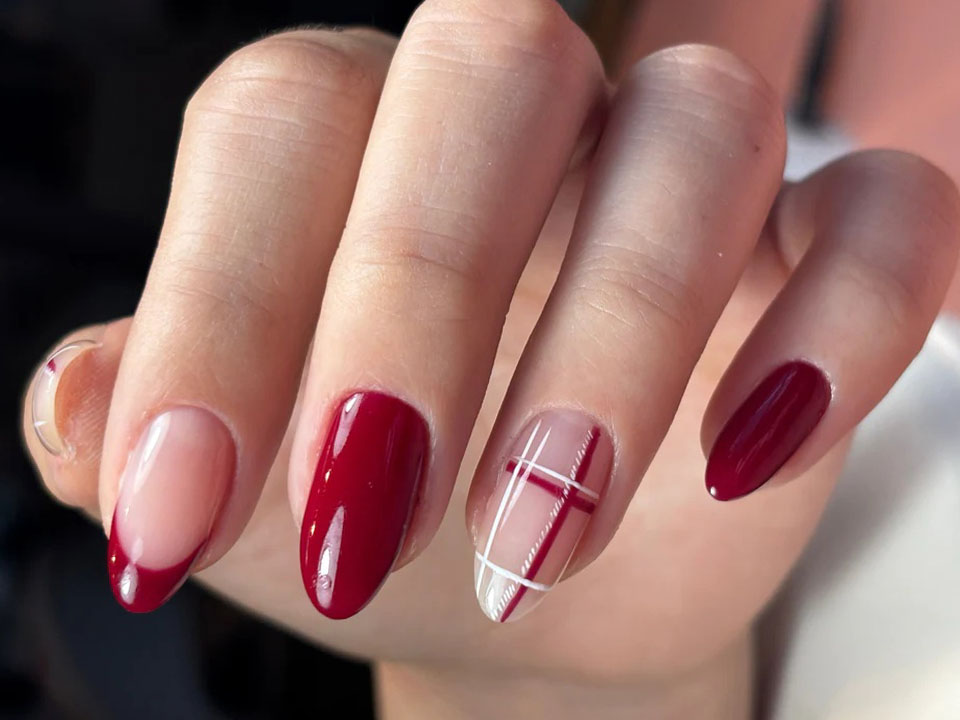
Poly gel is the “training wheels” people say builder gel is—but for a reason that isn’t insulting: it pauses time. You can place, shape, check symmetry, fix, then cure. It doesn’t race you.
Builder gel is a speed tool. It rewards:
If you’re a DIY buyer and you keep flooding cuticles with builder gel, switching to poly gel can reduce that instantly. Not because it’s “better,” but because it’s less liquid.
If you’re a pro doing overlays all day, builder gel can be faster per set. Poly gel can still be faster on extensions because you’re not fighting flow while sculpting.
Here’s the blunt version:
If you value easy removal above everything, you should be skeptical of any “rock-hard, long nail, zero filing removal” promise. Physics laughs at that.
Short nails. Natural overlays. People who type, clean, and live like humans. Builder gel (especially a good soak-off builder) can be the sweet spot because it’s strong enough while still slightly flexible.
Long nails. Dramatic shapes. Clients who treat nails like tools. Hard builder gel often wins because rigidity helps prevent bending fatigue and shape distortion.
Poly gel sits in the middle: strong, sculptable, and very resistant to runny application errors. It can last extremely well on extensions when properly structured, but the “feel” tends to be slightly different—often a little more “composite” than glass-hard gel.
And yes, durability is also about prep and retention, not bottle labels:
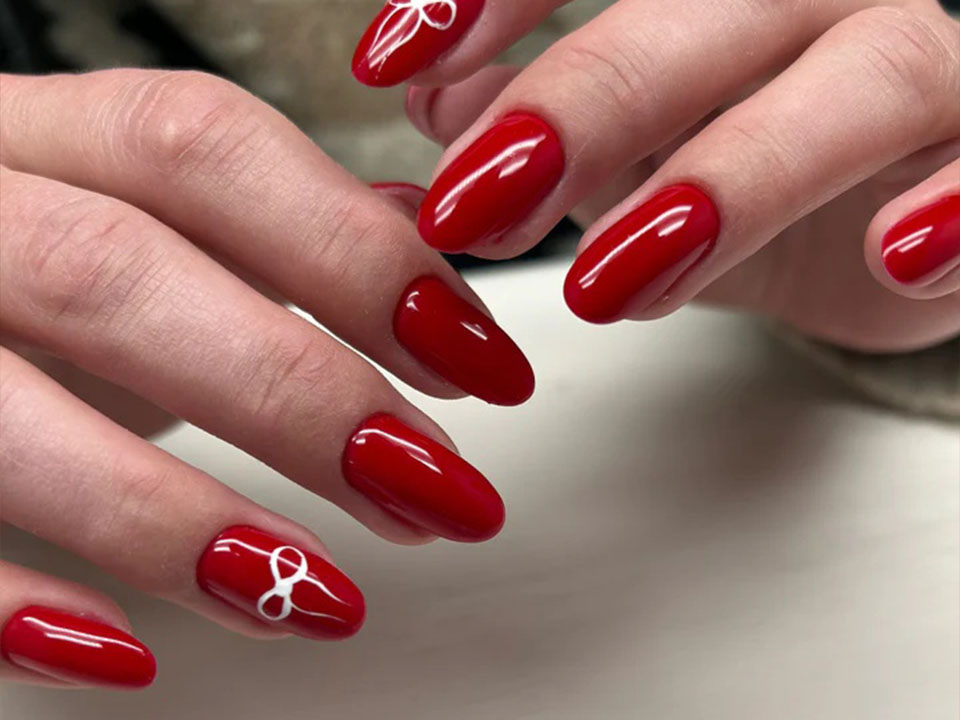
Price-per-gram is the real metric. Poly gel often looks expensive upfront, but it can reduce waste because you’re not chasing self-leveling overflow. Builder gel can be cheaper per gram and faster to apply, but mistakes (flooding, lifting, over-filing) cost more than product.
Also: tools matter. Poly gel typically needs slip solution and a brush/spatula workflow. Builder gel needs good brushes and better timing. Both need a reliable lamp. A weak lamp is how you get “mystery lifting” and “random allergy flare-ups.”
If you’re shopping within this product ecosystem, a clean, overlay-friendly builder option like Nude Shimmer 3-Free Builder Gel for overlays fits the buyer who wants structure without learning sculpting from scratch.
Use poly gel when:
Use builder gel when:
And if you’re also layering nail art, you need the base to behave. For art that must lock down cleanly (and not slide), a dedicated hold gel can matter. Something like Functional Nail Art Gel for strong hold is the kind of product that makes sense after you’ve chosen your structural layer—because structure first, decoration second.
| Feature | Poly Gel (Polygel) | Builder Gel (Soak-Off / Hard) | What it means in real life |
|---|---|---|---|
| Flow | Very low | Medium to high (varies) | Poly stays put; builder can flood if you hesitate |
| Learning curve | Easier for placement | Easier for leveling (if skilled) | Beginners usually waste less with poly |
| Best use | Extensions, sculpting | Overlays, apex building | “Extensions = poly” is often true, not always |
| Removal | File-down + often soak assist | Soak-off builder may soak; hard builder is file-off | Don’t buy “easy removal” claims blindly |
| Feel | Composite, dense | Gel-like; can be glass-hard | Clients notice rigidity vs flexibility |
| Durability for long nails | Very good | Hard builder often best | Long nails punish flex; hard gels hold shape |
| Speed per set | Fast once learned | Very fast for overlays | Builder wins in high-volume overlay services |
| Failure mode | Under-cure bulk, poor prep | Flooding, thin stress area, over-filed sidewalls | Most “product issues” are technique issues |
Tiny sentence: Labels lie.
Longer truth: a lot of brands sell “builder” that behaves like rubber base, and they sell “poly gel” that behaves like thick builder, and they do it because the buyer is searching keywords, not MSDS sheets, so the name becomes the product—even when the formula doesn’t match the expectation.
And the other ugly truth? Allergies are rising in nail circles because people get uncured product on skin repeatedly, then wonder why their fingers itch. Is it always the product’s fault? No. Is it predictable? Yes. Any acrylate/methacrylate system demands respect: avoid skin contact, cure properly, and don’t “flash cure and forget” thick layers.
So what’s my opinionated take?
If you’re DIY and you want consistent results without a learning cliff, poly gel is often the safer workflow choice. If you’re experienced or you’re paying a pro, builder gel overlays are usually the cleanest “everyday” upgrade. If you want long extensions that don’t deform, hard builder deserves your attention.
Once you’ve chosen structure (poly gel or builder gel), the fun part is finishing without ruining retention.
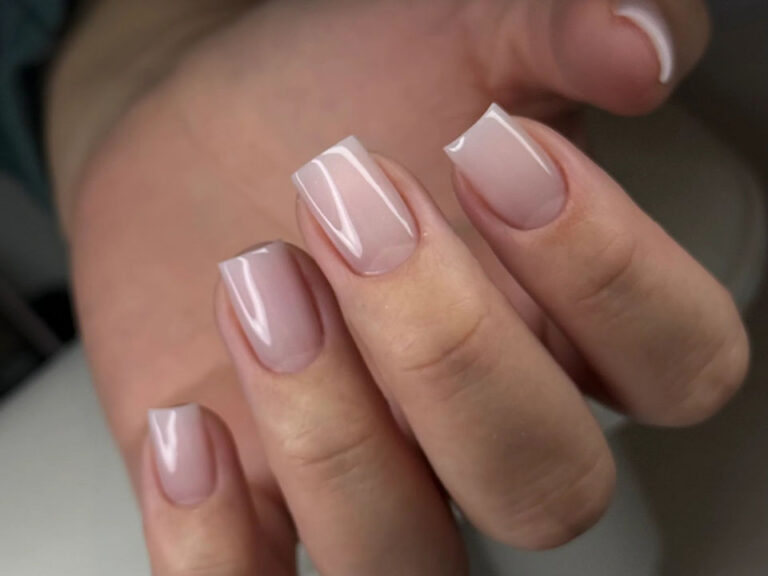
For sheer/nude overlay looks that still read polished, Dewy Glow sheer nude nail gel makes sense as a color layer over a stable builder base.
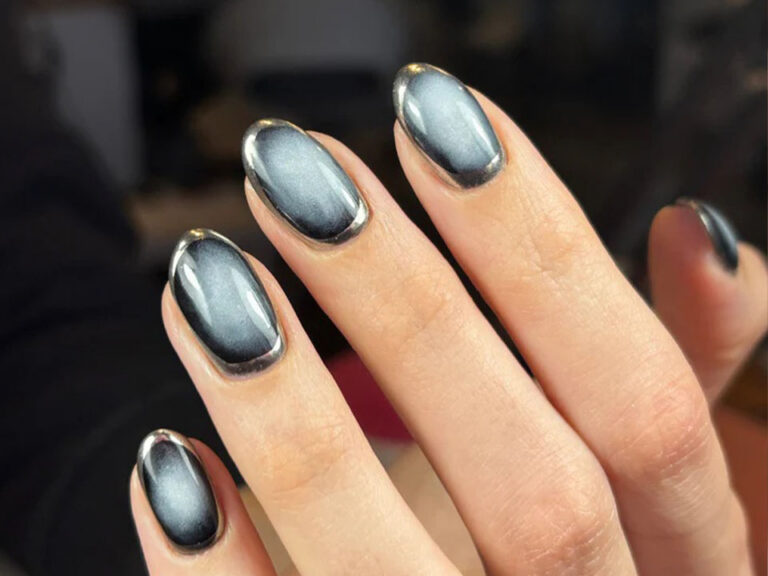
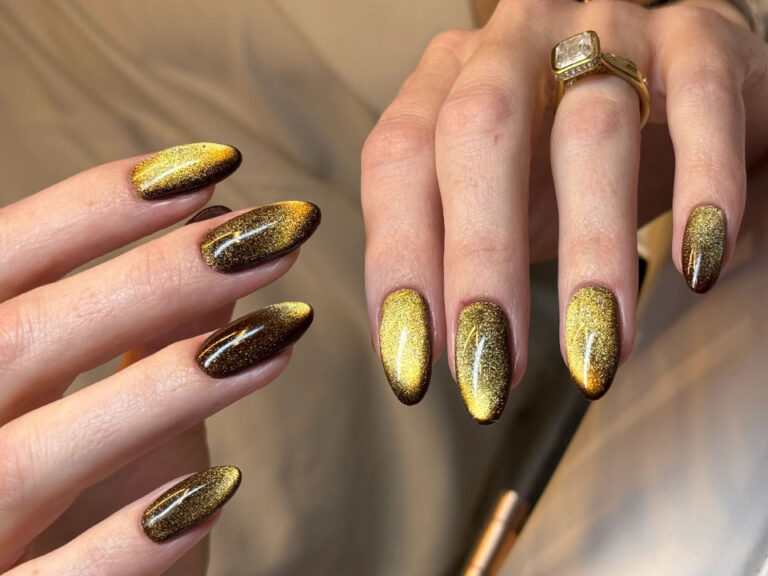
If you’re doing cat-eye finishes, the base structure matters because magnetics highlight unevenness. A smooth builder overlay paired with Silk Collection milky glass cat-eye gel is the kind of combo that looks “expensive” without being complicated.
And for texture sparkle, you want a secure underlying structure because chunky glitter can add thickness and stress at the free edge. That’s where something like Crushed Diamond glitter soft matte shades belongs—after structure, after smoothing, then top-coated correctly.
Is polygel better than builder gel? Polygel is a thicker, low-flow hybrid enhancement gel designed for controlled sculpting, while builder gel is a viscosity-tuned gel resin meant to self-level and build structure; “better” depends on whether you prioritize beginner-friendly placement (polygel) or faster overlays and apex formation (builder gel). If you’re extending length or you keep flooding cuticles, polygel often wins. If you’re reinforcing natural nails fast, builder gel usually wins.
Polygel vs builder gel differences: what’s the simplest way to tell them apart? Polygel is a putty-like UV/LED-cured hybrid that stays where you place it, while builder gel is a thicker gel that tends to level itself and move with gravity; the core difference is flow behavior, which drives application speed, cuticle control, and how you build an apex. If it “sits” like dough, think polygel. If it “settles” like honey, think builder.
When to use polygel for extensions vs overlays? Polygel is a sculpting-focused enhancement that excels at creating extension length because its low-flow consistency holds shape on forms or tips, whereas overlays are often faster with self-leveling builder gel because the product naturally smooths and forms an apex on the natural nail. Use polygel when you’re building length or correcting shape. Use builder gel when the nail is already the right length.
When to use builder gel instead of polygel? Builder gel is a structure-building gel designed for overlays and apex creation that can be applied quickly and evenly due to its leveling behavior, while polygel prioritizes controlled placement for sculpting; choose builder gel when you want speed, thin even layers, and a clean overlay finish. If your goal is “strong natural nails, minimal bulk,” builder gel is usually the move.
Builder gel strength vs polygel durability: which lasts longer? Builder gel durability depends on whether it’s a flexible soak-off builder or a rigid hard builder, while polygel durability depends on correct structure and curing; in practice, hard builder gel tends to hold long nail shapes best, while polygel often delivers very consistent wear on extensions with fewer run-related application errors. For short nails, both can last equally well. For long nails, hard builder often edges out.
Polygel or builder gel for beginners—what reduces mistakes fastest? Polygel is a low-flow hybrid gel that reduces cuticle flooding by staying where you place it, while builder gel is a leveling gel that can run if your timing and bead control aren’t developed; beginners typically make fewer placement errors with polygel and fewer surface-smoothing errors with builder gel once control improves. If you hate mess, start with polygel. If you hate filing, learn builder gel leveling.
If you’re buying with intent (not vibes), pick your structure first, then your finish. For overlays that read clean and wearable, start with Nude Shimmer 3-Free Builder Gel for overlays, then layer your look with Dewy Glow sheer nude nail gel or go statement with Silk Collection milky glass cat-eye gel. If your art needs to stay locked, finish the workflow with Functional Nail Art Gel for strong hold and stop letting your top layers dictate your retention.