Stock Up for Your Studio
Explore Rose Younai’s curated nail gels, art powders, tools, and salon essentials — available for retail and wholesale orders.

“TPO-free” and “HEMA-free” solve different problems, and brands keep pretending they’re interchangeable. I’m going to separate compliance from allergy reality, then show what it does to curing, heat spikes, and wear.
Labels sell. Chemistry doesn’t negotiate, and the industry’s favorite trick is to swap a single ingredient, slap “FREE” on the front, and watch buyers mentally upgrade the product to “doctor-approved,” even though the risk profile comes from where the ingredient sits in the system and how people actually apply gel. So which “free” matters?
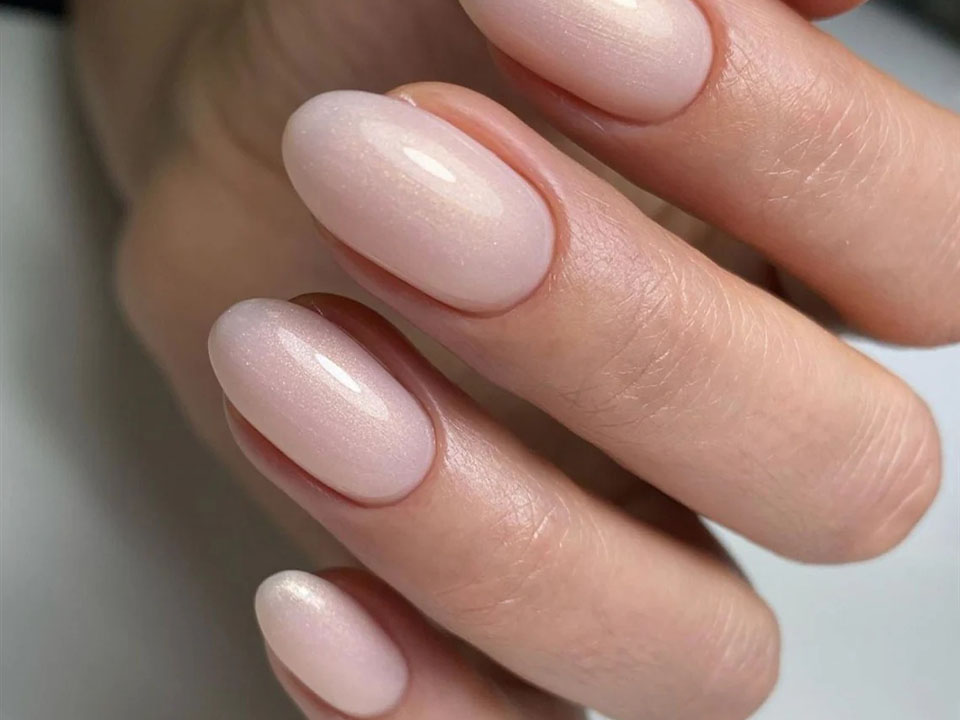
TPO is a photoinitiator. It sits in the cure engine of the formula, absorbing UV/LED energy and generating radicals to start polymerization; when regulators target TPO, they’re targeting the initiator package—not the monomers that can touch skin during application.
HEMA is a monomer. It’s a small, mobile methacrylate that can migrate into the cuticle/sidewall zone when people flood product or wipe the inhibition layer carelessly, and it’s heavily implicated in allergic contact dermatitis patterns seen in nail consumers and nail techs.
Different molecule. Different failure mode. Different “fix.”
This isn’t rumor. From September 1, 2025, TPO is prohibited in cosmetics on the EU market under a Commission Regulation update to the Cosmetics Regulation framework—so EU-facing brands had to reformulate or pull stock, and distributors got forced into “TPO-free gel” positioning whether they wanted to or not.
And here’s where skepticism is healthy: “TPO-free” is often a compliance statement first and a health statement second. If a brand removes TPO but replaces it with another initiator blend that cures slower in weak lamps, the user can end up with more uncured residue, which is the exact opposite of what “safer” shoppers think they’re buying.
So ask yourself: are you buying a chemistry upgrade, or a label that keeps a SKU legal?
This one is uglier. In 2024 patch-test reporting in dermatology literature, HEMA shows up as a consistent offender in acrylate-allergy panels, with positive reaction rates that are not “rare edge cases”—and gel nail product categories repeatedly appear as a common exposure source in those same discussions.
But. HEMA didn’t become common by accident. It performs: adhesion, leveling, “easy” feel, forgiving viscosity. That’s why it’s everywhere. And that’s why “HEMA-free gel” is usually a more meaningful label if your user intent is “I’m health-conscious and worried about rashes.”
The hard truth: allergy risk is dominated by skin contact + under-cure + frequency. If your technique is messy, even a “HEMA-free” system can still contain other (meth)acrylates capable of sensitization. The badge reduces one known driver; it does not delete the entire risk class.
Short sentence. Big consequence.
So what’s “better”? Better for what. Better for whom.
It means the brand changed the cure engine. When TPO leaves the formula, brands typically switch to alternative photoinitiator blends that still respond in the 365–405 nm range. That can be great. It can also be fragile if the instructions are vague or the lamp is weak.
Here’s my rule: if a brand won’t disclose cure time by layer thickness and lamp type, I assume they’re optimizing for conversions, not outcomes. And outcomes are what create refunds, allergies, and “gel ruined my nails” TikToks.
You gave me a list of products. I’m not going to pretend I’ve lab-tested them. But I can tell you what to look for, category by category, because the failure modes are predictable.
Notice what I didn’t do: I didn’t treat “3-free” or “trending finish” as a medical claim. That’s how consumers get misled.
| Category | TPO-free gel | HEMA-free gel | What it addresses | What it doesn’t address | Who should prioritize it |
|---|---|---|---|---|---|
| Core definition | No TPO photoinitiator | No HEMA monomer | Compliance (EU) vs allergy driver | Bad technique, weak lamps, other acrylates | EU buyers, importers, compliance-led salons vs allergy-prone users |
| Main health narrative | “Regulatory safety” | “Dermatitis risk reduction” | Different risk pathways | “Free-from” ≠ “risk-free” | People with prior rashes should start here |
| Performance risk | Cure sensitivity to lamp + pigments | Adhesion/feel changes | Cure behavior vs handling | Under-cure still causes irritation | DIYers with cheap lamps should be cautious with TPO-free swaps |
| Biggest hidden failure | Cured top, soft underside | “Feels fine” but still sensitizes via other monomers | Real-world outcomes | Marketing badges | Professionals who want predictable results |
Is TPO-free gel safer? TPO-free gel is a UV/LED-curable gel formulated without the photoinitiator TPO, meaning the product’s “cure engine” has been changed to comply with EU restrictions and/or brand positioning, but safety depends on replacement initiators, full cure under your lamp, and whether uncured gel contacts skin during application. If your lamp is weak or your coats are thick, “TPO-free” can still produce under-cure problems—sometimes worse than the original.
Is HEMA-free gel better for allergies? HEMA-free gel is a gel system formulated without 2-hydroxyethyl methacrylate (HEMA), a common methacrylate monomer frequently discussed in dermatology patch-test literature on nail-related allergic contact dermatitis, so removing it often reduces a key sensitization trigger—especially for frequent users and nail technicians with repeated exposure. But HEMA-free does not mean “acrylate-free,” and poor technique can still cause reactions.
What is the real difference between TPO vs HEMA gel claims? TPO vs HEMA gel claims refer to different ingredients in different parts of the formula: TPO is a photoinitiator that enables curing under UV/LED, while HEMA is a reactive monomer tied more directly to skin sensitization risk; one label tends to track regulatory compliance, the other tracks dermatitis prevention strategy. If your intent is “avoid rashes,” HEMA-free is usually the more directly relevant claim.
What’s the biggest cause of gel nail dermatitis in real life? Gel nail dermatitis is an allergic or irritant skin reaction most commonly driven by repeated skin exposure to uncured or under-cured (meth)acrylate chemistry—often from flooding cuticles, wiping inhibition layers onto skin, or using weak lamps—rather than from fully cured gel sitting on the nail plate. So the fix is workflow: zero skin contact, thin coats, correct cure times, and a solid lamp.
How do I reduce risk if I’m switching to EU TPO ban gels? EU TPO ban gels are reformulated gels sold without TPO to meet EU restrictions, and the practical risk when switching is cure mismatch—so you reduce risk by using a modern lamp with known wavelength output, extending cure times for opaque/glitter shades, applying thinner layers, and avoiding any gel touching skin. If a product has no clear cure guidance, treat it as a gamble.
If you only remember one thing, remember this: TPO-free gel is usually a compliance story; HEMA-free gel is usually an allergy story. Pick the story that matches your risk, then shop like a professional—demand full ingredient disclosure, match your lamp, keep gel off skin, and start with controllable categories (builder + art gels) before you chase dense glitter or magnetic pigment drama.